Using Cover Crops as a Tool for Soil Erosion Control and Forage Production in Pastures
7h ago
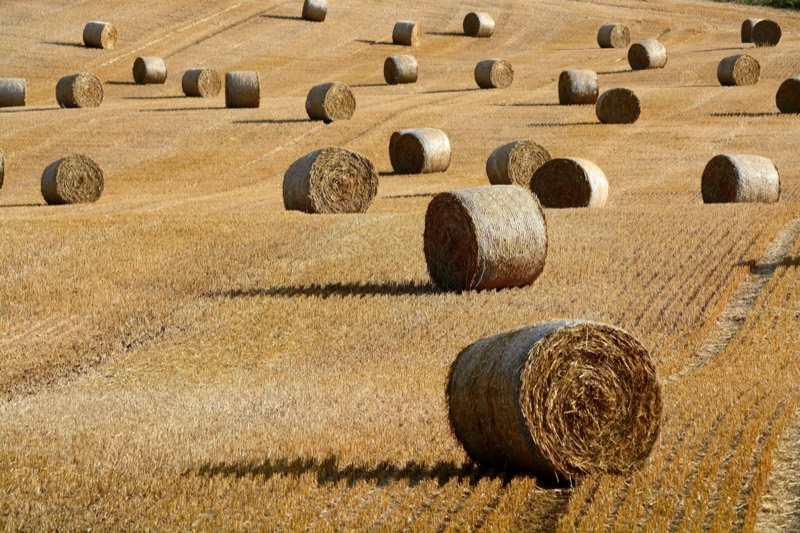
Soil erosion is a significant concern for farmers and ranchers, as it can lead to loss of fertile topsoil, reduced water quality, and decreased productivity. One effective way to control soil erosion and improve forage production in pastures is by using cover crops. Cover crops are plants grown between crop cycles or in off-seasons to protect and enhance the soil. In this article, we will explore the benefits of using cover crops for soil erosion control and forage production, and provide practical guidance on how to select and manage cover crops in pasture systems.
Benefits of Cover Crops for Soil Erosion Control
Cover crops have several benefits for soil erosion control. They help to hold the soil in place, reducing the risk of erosion by wind or water. This is especially important in areas with heavy rainfall or where the soil is prone to erosion. Cover crops also help to improve soil health by adding organic matter, increasing soil biota, and enhancing soil structure. This can lead to improved water infiltration, reduced runoff, and increased soil water-holding capacity. Additionally, cover crops can help to reduce soil compaction, which can improve soil aeration and root growth.
Benefits of Cover Crops for Forage Production
Cover crops can also be used to produce high-quality forage for livestock. Many cover crops, such as small grains, legumes, and brassicas, are nutritious and palatable for livestock. By planting cover crops in the off-season, farmers and ranchers can provide a source of fresh forage for their animals, reducing the need for stored feed and improving animal health. Cover crops can also be used to extend the grazing season, allowing farmers and ranchers to keep their animals on pasture for longer periods. This can help to reduce feed costs, improve animal productivity, and increase farm profitability.
Selecting Cover Crops for Soil Erosion Control and Forage Production
When selecting cover crops for soil erosion control and forage production, there are several factors to consider. The first factor is the climate and soil type. Different cover crops are better suited to different climates and soil types, so it's essential to choose crops that are well adapted to the local conditions. The second factor is the purpose of the cover crop. If the primary goal is soil erosion control, crops like rye, oats, or triticale may be good options. If the primary goal is forage production, crops like clover, alfalfa, or small grains may be better suited. The third factor is the time of year and the length of the growing season. Cover crops can be planted in the fall, winter, or spring, depending on the climate and the purpose of the crop.
Managing Cover Crops for Soil Erosion Control and Forage Production
Once cover crops are planted, they require management to ensure they achieve their intended purpose. This includes providing adequate moisture, either through rainfall or irrigation, and controlling weeds and pests. Cover crops may also require fertilization, especially if they are being used for forage production. It's essential to monitor the cover crop's growth and development, and to make adjustments as needed. For example, if the cover crop is growing too quickly, it may be necessary to graze it or mow it to prevent it from becoming too mature. If the cover crop is not growing quickly enough, it may be necessary to provide additional nutrients or moisture.
Terminating Cover Crops
Eventually, cover crops will need to be terminated to make way for the next crop or pasture. There are several ways to terminate cover crops, including mowing, grazing, or using herbicides. The method of termination will depend on the type of cover crop, the purpose of the crop, and the climate and soil type. For example, if the cover crop is being used for soil erosion control, it may be necessary to mow it or graze it to prevent it from becoming too mature and reducing its effectiveness. If the cover crop is being used for forage production, it may be necessary to use herbicides to terminate it, especially if it is a perennial crop.
Integrating Cover Crops into a Pasture System
Integrating cover crops into a pasture system can be a bit more complex than using them in a crop rotation. However, with proper planning and management, cover crops can be a valuable tool for improving soil health, reducing erosion, and producing high-quality forage. One way to integrate cover crops into a pasture system is to plant them in the off-season, when the pasture is not being grazed. This can help to improve soil health, reduce erosion, and provide a source of fresh forage for livestock. Another way to integrate cover crops into a pasture system is to use them as a "nurse crop" to help establish new pasture species. For example, a cover crop like oats or rye can be planted in the fall, and then a new pasture species like clover or alfalfa can be planted in the spring.
Conclusion
Using cover crops as a tool for soil erosion control and forage production in pastures is a practical and effective way to improve soil health, reduce erosion, and produce high-quality forage. By selecting the right cover crops, managing them properly, and integrating them into a pasture system, farmers and ranchers can improve the productivity and sustainability of their operations. For more information on using cover crops in pasture systems, visit https://thefarmersherd.com to learn more about pasture management and soil conservation techniques.
Comments
Sign in or create an account to join the conversation.