Renovating and Rejuvenating Old Pastures: A Step-by-Step Approach
Oct 29
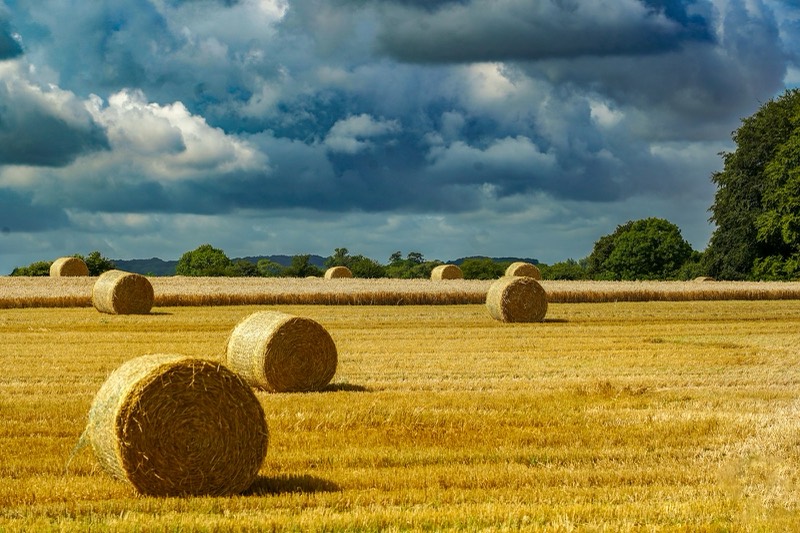
Old pastures can be a challenge for many farmers and livestock producers. Over time, these areas can become degraded, with reduced productivity and lower-quality forage. However, with a well-planned renovation and rejuvenation strategy, it's possible to restore these pastures to their former glory. In this article, we'll explore the steps involved in renovating and rejuvenating old pastures, including assessing the pasture, preparing the soil, selecting the right forage species, and implementing a maintenance plan.
Assessing the Pasture
The first step in renovating and rejuvenating an old pasture is to assess its current condition. This involves evaluating the soil type, pH, and nutrient levels, as well as the types and amounts of vegetation present. It's also important to consider the pasture's history, including its previous use, fertilization, and grazing management. By understanding the pasture's current state and history, you can identify the underlying causes of its degradation and develop a targeted renovation plan.
A soil test is a crucial part of the assessment process. This will help you determine the soil's pH and nutrient levels, which can inform your fertilization and liming decisions. You should also take note of any areas with poor drainage, erosion, or other environmental concerns. Additionally, consider the pasture's slope, aspect, and microclimate, as these factors can affect its suitability for different forage species.
Preparing the Soil
Once you've assessed the pasture, the next step is to prepare the soil for renovation. This may involve controlling weeds, adjusting the soil pH, and applying fertilizers or other soil amendments. The goal is to create a favorable environment for the new forage species to establish and thrive.
Weed control is a critical component of soil preparation. Perennial weeds like thistle, dock, and nettle can outcompete desirable forage species and reduce pasture productivity. You can use a combination of cultural, mechanical, and chemical methods to control weeds, depending on the type and severity of the infestation. For example, you might use a herbicide to control broadleaf weeds, or implement a rotational grazing system to disrupt the life cycle of perennial grasses.
Soil pH adjustment is also important, as different forage species have optimal pH ranges. For example, alfalfa and clover prefer a slightly alkaline soil pH, while grasses like ryegrass and tall fescue can tolerate a wider pH range. You can use lime or other soil amendments to adjust the soil pH, but be sure to follow recommended application rates and timing to avoid over-liming or under-liming.
Selecting the Right Forage Species
The choice of forage species is critical to the success of a pasture renovation project. You'll want to select species that are well-suited to your climate, soil type, and management system, as well as the needs and preferences of your livestock. Some popular forage species for pasture renovation include:
- Legumes like alfalfa, clover, and birdsfoot trefoil, which can fix nitrogen and improve soil fertility
- Grasses like ryegrass, tall fescue, and orchardgrass, which can provide high-quality forage and improve pasture productivity
- Small grains like oats, wheat, and rye, which can be used as a cover crop or forage crop
When selecting forage species, consider factors like drought tolerance, disease resistance, and palatability. You should also think about the desired pasture composition and structure, including the mix of grasses, legumes, and other species. A diverse pasture with a mix of species can provide a more stable and resilient forage base, while also supporting biodiversity and ecosystem health.
Implementing a Renovation Plan
With the soil prepared and the forage species selected, it's time to implement the renovation plan. This may involve seeding, drilling, or broadcasting the new forage species, depending on the equipment and resources available. You should also consider the timing of the renovation, taking into account factors like weather, soil moisture, and livestock grazing pressure.
A well-planned seeding strategy is essential to the success of a pasture renovation project. You'll want to choose a seeding method that minimizes soil disturbance and promotes good seed-to-soil contact. This may involve using a no-till drill or a broadcast seeder, depending on the soil type and forage species. You should also consider the seeding rate and depth, as these can affect the establishment and growth of the new forage species.
Maintenance and Management
After the renovation is complete, it's essential to implement a maintenance and management plan to ensure the long-term health and productivity of the pasture. This may involve regular fertilization and liming, as well as monitoring for pests, diseases, and weeds. You should also consider the grazing management system, including the stocking rate, grazing duration, and resting period.
A rotational grazing system can be an effective way to manage pasture productivity and promote soil health. By moving the livestock to a new paddock on a regular basis, you can give the pasture a chance to rest and recover, while also reducing the risk of overgrazing and soil erosion. You should also consider the use of cover crops or other conservation practices, such as contour farming or strip cropping, to reduce soil erosion and promote biodiversity.
Finally, it's essential to monitor the pasture's progress and adjust the management plan as needed. This may involve regular soil testing, forage analysis, and livestock performance monitoring. By staying on top of the pasture's condition and adjusting the management plan accordingly, you can ensure the long-term health and productivity of the pasture, while also supporting the overall profitability and sustainability of the farm operation.
For more information on pasture renovation and management, visit https://thefarmersherd.com and explore our range of articles, guides, and resources on pasture and forage management.
Comments
Sign in or create an account to join the conversation.