Interseeding Legumes into Existing Pastures: A Practical Approach to Improving Forage Quality and Soil Health
5d ago
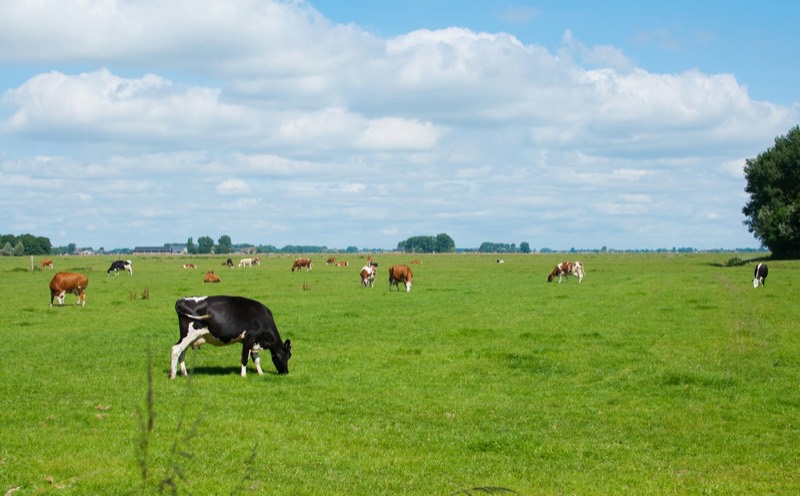
Interseeding legumes into existing pastures is a valuable technique for improving forage quality, increasing pasture productivity, and enhancing soil health. By incorporating legumes into your pasture management strategy, you can create a more diverse and resilient pasture ecosystem that benefits both your livestock and the environment. In this article, we will explore the benefits of interseeding legumes, discuss the best legume species for different regions and soil types, and provide a step-by-step guide on how to interseed legumes into your existing pastures.
Benefits of Interseeding Legumes
Legumes, such as clover, alfalfa, and beans, have a number of benefits that make them an attractive addition to existing pastures. One of the primary benefits of legumes is their ability to fix atmospheric nitrogen, which reduces the need for synthetic fertilizers and can help to improve soil health. Legumes also tend to be high in protein and energy, making them a valuable source of nutrition for livestock. Additionally, legumes can help to improve pasture diversity, which can lead to a more resilient and adaptable pasture ecosystem.
Interseeding legumes can also help to improve soil health by increasing the amount of organic matter in the soil, improving soil structure, and supporting the growth of beneficial microorganisms. This can lead to improved water infiltration, reduced soil erosion, and increased soil fertility. Furthermore, legumes can help to attract beneficial insects, such as bees and butterflies, which can pollinate plants and improve overall ecosystem health.
Choosing the Right Legume Species
The choice of legume species will depend on a number of factors, including the region, soil type, and climate. In general, it is best to choose legume species that are well adapted to the local conditions and are compatible with the existing pasture vegetation. Some popular legume species for interseeding include white clover, red clover, alfalfa, and birdsfoot trefoil.
White clover is a popular choice for interseeding in many regions, as it is relatively easy to establish and can thrive in a wide range of soil types and conditions. Red clover is another popular option, as it is high in protein and energy and can help to improve soil health. Alfalfa is a deeper-rooted legume that can help to improve soil structure and fertility, but it can be more challenging to establish and may require more specific soil conditions.
Birdsfoot trefoil is a perennial legume that is well adapted to dry soils and can help to improve soil health and fertility. It is also relatively low maintenance and can tolerate a range of grazing pressures. Other legume species, such as sweet clover and hairy vetch, may also be suitable for interseeding in certain regions and soil types.
Preparing the Pasture for Interseeding
Before interseeding legumes, it is essential to prepare the pasture to ensure optimal establishment and growth. This typically involves reducing the height of the existing vegetation, controlling weeds and competing vegetation, and creating a receptive seedbed. The best time to interseed legumes will depend on the region and climate, but in general, it is best to interseed in the spring or fall when the weather is cooler and there is adequate moisture.
To prepare the pasture, start by reducing the height of the existing vegetation using a mower or grazer. This will help to create a more even seedbed and reduce competition from the existing vegetation. Next, control any weeds or competing vegetation using herbicides or other methods. It is also essential to create a receptive seedbed by loosening the soil and creating a smooth, firm surface.
Interseeding Legumes
Once the pasture is prepared, it is time to interseed the legumes. The best method for interseeding will depend on the legume species, soil type, and equipment available. In general, it is best to use a drill or seeder that is specifically designed for interseeding legumes. These drills typically have a small seedbox and a narrow row spacing, which allows for precise placement of the seed.
The seeding rate will depend on the legume species and the desired level of establishment. In general, it is best to start with a low seeding rate and adjust as needed based on the level of establishment and growth. It is also essential to ensure that the seed is placed at the correct depth and is in contact with the soil. A firm seedbed and adequate moisture are also critical for optimal establishment and growth.
Managing the Interseeded Pasture
After interseeding legumes, it is essential to manage the pasture to ensure optimal growth and establishment. This typically involves controlling grazing pressure, maintaining adequate soil fertility, and monitoring for pests and diseases. The grazing pressure will depend on the legume species and the level of establishment, but in general, it is best to start with a low grazing pressure and adjust as needed based on the level of growth and establishment.
It is also essential to maintain adequate soil fertility by applying fertilizers or manure as needed. The type and amount of fertilizer will depend on the soil type, legume species, and level of establishment. Regular monitoring for pests and diseases is also critical to ensure optimal growth and establishment. This may involve scouting for weeds, insects, and diseases, and taking action as needed to control any problems that arise.
Visit https://thefarmersherd.com for more information on pasture and forage management, as well as other topics related to farm operations and livestock production. By following the tips and guidelines outlined in this article, you can successfully interseed legumes into your existing pastures and improve the overall quality and productivity of your forage.
Comments
Sign in or create an account to join the conversation.