Screwworm: Douglas port reopened to Mexican cattle, and the Edinburg fly factory is a year out
No new U.S. detections since the Zavala County calf in June. USDA reopened one Arizona port on August 24 under a joint protocol with Mexico, with two New Mexico ports to follow. Where the sterile fly supply stands.
Sep 4
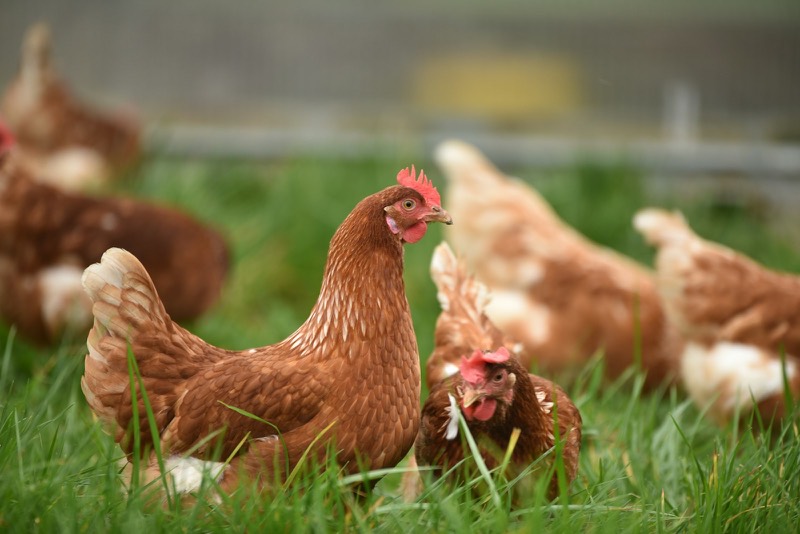
Three months after the first U.S. detection in decades, the New World screwworm picture looks like this: one confirmed case, no spread, and a border that is partially open again.
The U.S. case
APHIS confirmed screwworm larvae in a three-week-old calf in Zavala County, Texas, on June 3. The larvae were in the umbilical area, the classic site for a newborn. As of the agency's September 4 update, there have been no further U.S. detections in animals or in fly traps, and APHIS rates the current risk to livestock and people as very low.
That single case is why every producer south of I-10 should still be checking navels, castration sites, and any open wound on stock through the fall. Screwworm flies are attracted to any wound, and early larvae look like nothing until they do not.
The border
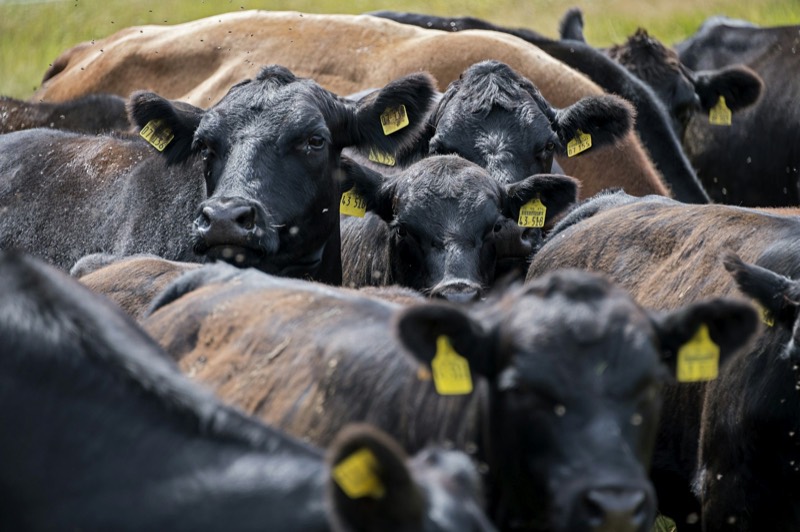
Live cattle imports from Mexico were shut down in 2025 as the fly moved north through Veracruz, Oaxaca, and eventually Nuevo León. On August 24, USDA reopened the Douglas, Arizona port to Mexican cattle under a jointly agreed import protocol: inspection and treatment on the Mexican side, a second inspection at the port, and the ability to pause the opening if the risk picture changes.
Douglas is phase one. Santa Teresa and Columbus, New Mexico are slated to follow once Mexico hits milestones in the bilateral action plan. The Texas ports are not on the schedule yet.
Mexico's SENASICA publishes its own case map, updated Tuesdays and Thursdays. A case counts as active at diagnosis and goes inactive after 15 days without new larvae.
Sterile flies
The only tool that has ever eradicated screwworm is dropping sterile male flies until the wild population collapses. Supply:
- Panama (COPEG): the long-running facility, roughly 100 million flies per week.
- Metapa, Chiapas, Mexico: a converted fruit fly plant funded with $21 million from USDA, completed in late June and ramping toward 100 million per week.
- Edinburg, Texas: a $750 million production facility at Moore Air Base, broken ground April 17 with Mortenson as the contractor. Initial capacity of 100 million per week is targeted for November 2027, scaling to 300 million. A separate dispersal facility at the same base was finished in February.
USDA's stated goal is up to 500 million sterile flies per week once everything is running. Until Edinburg is online, the response depends on Panama and Metapa.
Treatment
FDA emergency use authorizations now cover treatments for cattle, horses, dogs, cats, and other species. If you find larvae, call your vet and your state animal health office first; do not just pull them and move on, because a confirmed detection triggers the trapping and surveillance response around your place.
Reporting from USDA APHIS.
Comments
Sign in or create an account to join the conversation.