The birds are moving south. Your fall HPAI checklist, for 20 hens or 200,000.
Detections climb every fall as wild waterfowl migrate. Indiana has already logged 20 infected flocks this year, and Europe found the first antibody-positive dairy cow outside the U.S. What to tighten before the ponds fill up.
Sep 9
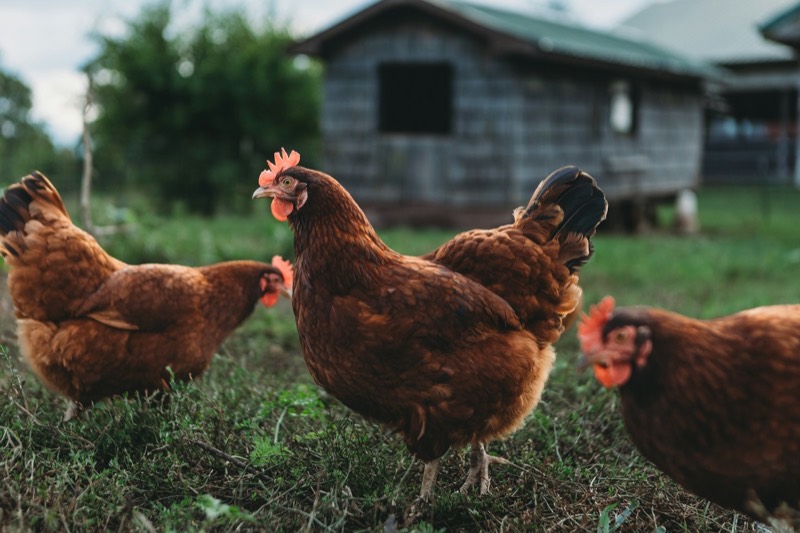
Highly pathogenic avian influenza has never really left. It got quieter over the summer, as it does every year, because the wild birds that carry it were sitting on nesting grounds in Canada. They are moving now, and the flyways run straight over the poultry belt.
APHIS has confirmed 20 infected flocks in Indiana alone so far in 2026. The virus is still circulating in dairy cattle in a number of states, and in a first for Europe, a dairy cow in the Netherlands has tested positive for antibodies. The pattern USDA has documented since 2022 is that detections rise sharply in the fall and again in the spring, tracking migration.
For commercial operations
USDA offers free voluntary biosecurity assessments for commercial farms that have not had an outbreak, and cost-share of up to 75 percent to fix the highest-risk problems the assessment identifies. If you have never had one, this month is when to schedule it. The things assessors flag most:
- Line of separation not enforced: people and equipment crossing into the barn without a boot change or a shower.
- Shared equipment between farms, especially litter handling and mortality carts.
- Water sources open to wild birds, and barn ventilation inlets near ponds or standing water.
- Rodent and wild bird entry through fan housings, feed bin gaps, and open doors during load-out.
Dairies with lactating cattle: the May 2026 update to the federal order lets cattle move interstate without individual testing only from states with "Unaffected" status under the National Milk Testing Strategy. Check your state's status before booking a hauler; it changes.
For backyard and small flocks
Small flocks are where fall detections cluster, because they are outdoors, mixed species, and next to water. The practical list:
- Keep them under a roof this fall. A covered run, even a tarp over the pen, keeps wild bird droppings out of the feed and water. That is the single biggest exposure.
- No pond access. Ducks and geese that share water with wild waterfowl bring it home to the chickens.
- Boots. If you walk a pond edge, a field with geese on it, or the sale barn, change footwear before you go in the coop.
- No new birds without quarantine. Thirty days, separate air space, care for them last.
- Know the signs. Sudden death without symptoms, several birds down at once, swollen heads and combs, purple discoloration, a sharp drop in eggs, stumbling. Call your state veterinarian's office or the USDA toll-free line (1-866-536-7593). Do not haul a sick bird to the vet clinic.
- Sick or dead wild birds: leave them, report them to your state wildlife agency, keep the dog away.
Why this matters beyond the flock
Every commercial detection means depopulation, a control zone, and movement restrictions for every farm within it, which is why the industry cares so much about backyard biosecurity. And every dairy detection keeps the National Milk Testing Strategy in place another season. The fall is the test.
Reporting from USDA APHIS.
Comments
Sign in or create an account to join the conversation.