H5N1 hasn't gone away, it just left the headlines
Eighty-five cattle herds confirmed this year, fresh poultry outbreaks in South Dakota, and a virus that has been circulating in U.S. dairy cows since March 2024. The biosecurity conversation is not over.
Sep 10
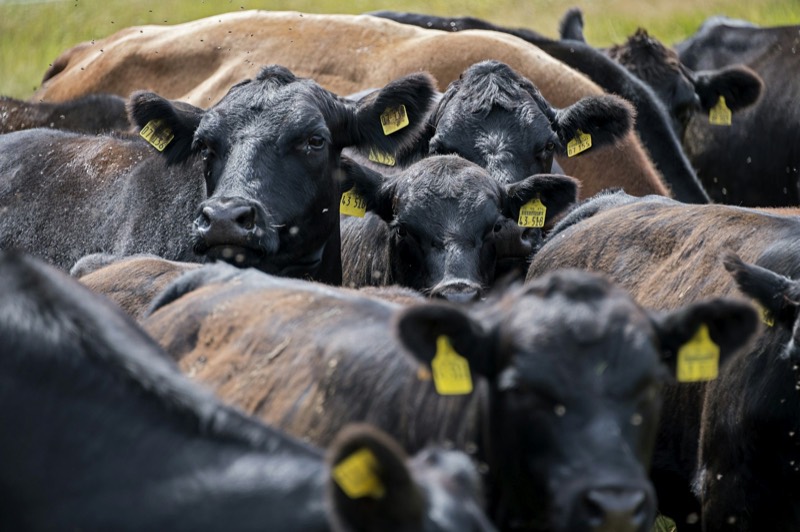
The news cycle moved on from bird flu a while back. The virus did not.
Where things stand
Eighty-five cattle herds have had confirmed H5N1 infections so far this year. South Dakota has been dealing with commercial poultry outbreaks — roughly 29,700 birds affected in Edmunds County and another 2,800 in Brule County.
The outbreak began in U.S. poultry in 2022 and was first found in dairy cattle in March 2024. It has not been cleared from either.
The human side, in proportion
From 2024 through May 2026 there were 71 confirmed human cases in the United States, with two associated deaths. Almost all were people with direct exposure to infected dairy cows or poultry, across states including California, Colorado, Iowa, Michigan, Texas, and Wisconsin. Three cases had no known exposure source.
CDC's assessment is that the public health risk remains low, and they are monitoring people with animal exposure.
Low general risk and meaningful occupational risk are not in conflict. If you milk cows or handle poultry, you are in the exposed group, and the standard advice — eye protection and gloves when handling milk or sick birds, and taking respiratory symptoms seriously after exposure — is worth the inconvenience.
The part that's actually in your control
Nobody is going to vaccinate your way out of this in the near term. What moves the needle on a working operation is unglamorous:
- Keep cattle movement records tight enough to trace, because that is what containment runs on.
- Treat shared equipment, trailers, and visiting vehicles as the transmission route they are.
- Keep dairy and poultry enterprises separated where you have both.
- Report suspected cases promptly. Producers who have been through it will tell you the delay is what costs money.
What to watch
Whether cattle herd detections keep accumulating at this year's pace, whether poultry losses climb into the fall wild-bird migration, and whether any human case turns up without a traceable animal exposure. That last one is the number the public health people are really watching.
Reporting from CDC and CIDRAP.
Comments
Sign in or create an account to join the conversation.