Wheat pasture at $400 stockers: plant early, but not before the fly-free date
Winter wheat that goes in early enough to graze has never been worth more. But planting ahead of the Hessian fly-free date, in a warm fall, trades grazing days for a stand you may lose. The dates by region and the math on gain.
Sep 5
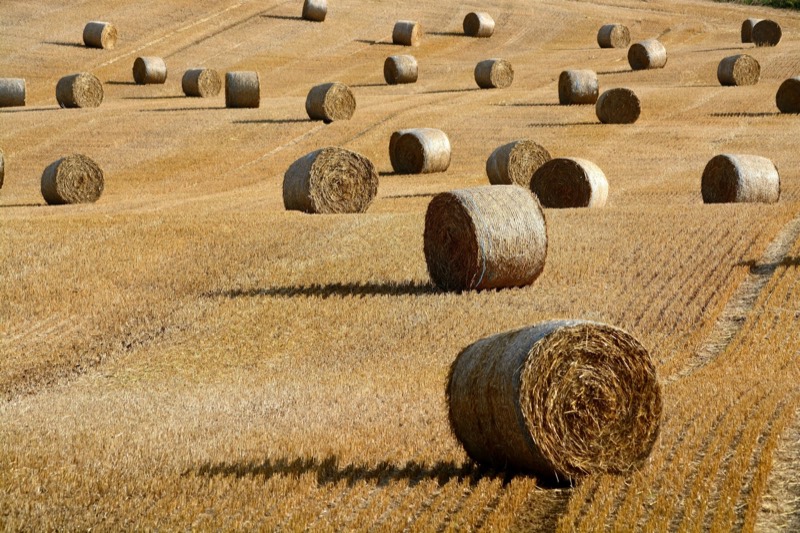
In the southern Plains, wheat is two crops: grain in June and beef in the winter. With 500-pound steers bringing near $400 per cwt and cost of gain on wheat pasture around a third of what it costs in a feedyard, the second crop is the one that pays this year, which is why a lot of drills are already running.
The tension
Early planting, late August through mid-September in Oklahoma and Kansas, gives you grazeable wheat by November. It also puts seedlings in the ground while adult Hessian flies are still laying eggs, and it puts you at higher risk of wheat streak mosaic from volunteer wheat and the mites that carry it.
The Hessian fly-free date is the point in fall when most adults have died off. It varies by latitude:
- South Dakota: after September 30 in the north, after October 15 in the south.
- Nebraska and northern Kansas: roughly late September to early October.
- Southern Kansas and Oklahoma: early to mid-October, later the farther south you go.
- Michigan: first week of September in the northern Lower Peninsula, third or fourth week in the south.
Your state extension publishes the county-level dates; the SDSU and OSU fact sheets are the standard references.
Two caveats. Mild falls have eroded the reliability of the fly-free date; adults keep flying until a killing frost, so a warm October means a late date. And the fly-free date is a grain recommendation. It assumes you want the maximum yield from a stand planted in the optimal window. If the plan is to graze, the calculation is different.
The grazing calculation
A steer on good wheat pasture gains 2 to 2.5 pounds a day. At $3.50 a pound of gain (roughly what a $400 feeder market implies for added weight), each grazing day is worth $7 to $9 per head. Planting September 10 instead of October 5 can add three to four weeks of fall grazing, worth $150 to $250 a head, on a field that may carry one steer per two acres.
Against that: a higher chance of Hessian fly damage (which hurts yield more than grazing), a higher chance of mosaic if you did not control volunteer, and more moisture used by the crop before winter, which matters in the 60 percent of the cowherd's footprint that is in drought.
A reasonable plan for 2026
- Kill volunteer wheat now, at least two weeks before planting, in every field and every field edge. This does more for mosaic than any planting date.
- Plant early on the fields you intend to graze, with a fly-resistant variety if your seed dealer has one, and accept that those fields are grazing-first.
- Plant the grain-only fields after the fly-free date.
- Use a seed treatment on early fields; the aphids that carry barley yellow dwarf are the other early-planting risk.
- Pull cattle off before first hollow stem if you want grain, usually late February to early March. Every day past that costs bushels.
- Stock it right. A dry fall means less forage than the calendar suggests. Do not buy stockers for grass you do not have yet.
Wheat pasture is the cheapest gain in the cattle business. This is a year to use it and a year to be careful how.
Reporting from SDSU Extension.
Comments
Sign in or create an account to join the conversation.