Tractor Maintenance for Farmers: A Detailed Look at Fluid Management
Oct 30
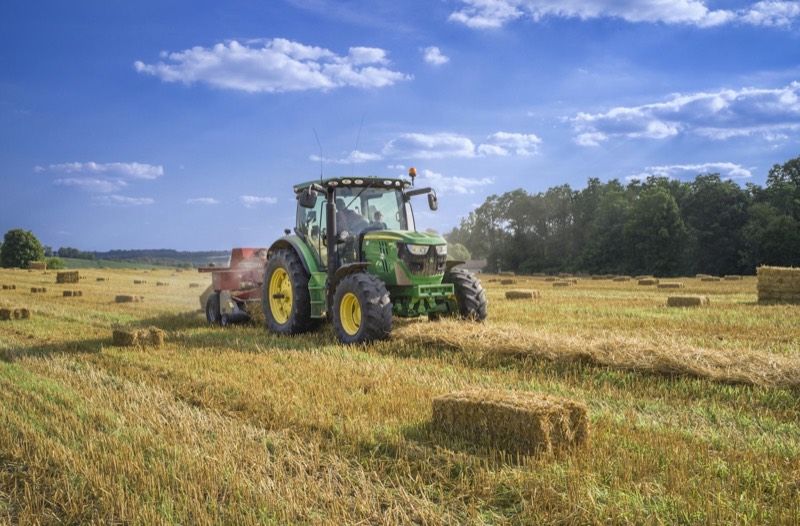
Proper tractor maintenance is essential for farmers to ensure their equipment runs efficiently and effectively. One critical aspect of tractor maintenance is fluid management. Tractors rely on various fluids to operate, including engine oil, hydraulic fluid, transmission fluid, and coolant. In this article, we will delve into the world of tractor fluid management, exploring the different types of fluids, their functions, and how to maintain them properly.
Understanding Tractor Fluids
Tractors use several types of fluids to lubricate, cool, and transmit power. Each fluid has a specific function, and it's crucial to understand their roles to maintain your tractor effectively. The primary fluids used in tractors are:
Engine oil: This fluid lubricates the engine's moving parts, reducing friction and wear. It also helps to cool the engine and prevent corrosion.
Hydraulic fluid: This fluid is used to transmit power to the tractor's hydraulic systems, such as the lift arms and steering. It's also used to lubricate the hydraulic components.
Transmission fluid: This fluid lubricates the transmission and helps to cool it. It's also used to transmit power to the wheels.
Coolant: This fluid is used to cool the engine and prevent overheating. It's a mixture of water and antifreeze.
Checking and Changing Tractor Fluids
Regularly checking and changing tractor fluids is essential to maintain your equipment's health. Here's a step-by-step guide on how to check and change each fluid:
Engine oil: Check the engine oil level daily, and change it every 100-200 hours of operation. Use a high-quality oil filter, and dispose of the used oil and filter responsibly.
Hydraulic fluid: Check the hydraulic fluid level daily, and change it every 1,000-2,000 hours of operation. Use a high-quality hydraulic fluid that meets the manufacturer's specifications.
Transmission fluid: Check the transmission fluid level daily, and change it every 1,000-2,000 hours of operation. Use a high-quality transmission fluid that meets the manufacturer's specifications.
Coolant: Check the coolant level daily, and change it every 2-3 years or as recommended by the manufacturer. Use a high-quality coolant that meets the manufacturer's specifications.
Fluid Management Best Practices
To ensure your tractor's fluids are properly maintained, follow these best practices:
Use high-quality fluids that meet the manufacturer's specifications.
Check fluid levels daily to ensure they are at the recommended levels.
Change fluids at the recommended intervals to prevent contamination and wear.
Use the correct filters for each fluid to prevent contamination.
Dispose of used fluids and filters responsibly to prevent environmental pollution.
Common Tractor Fluid Management Mistakes
Even experienced farmers can make mistakes when it comes to tractor fluid management. Here are some common mistakes to avoid:
Not checking fluid levels regularly, leading to low levels and potential damage.
Using low-quality fluids that don't meet the manufacturer's specifications.
Not changing fluids at the recommended intervals, leading to contamination and wear.
Not using the correct filters for each fluid, leading to contamination.
Not disposing of used fluids and filters responsibly, leading to environmental pollution.
Tractor Fluid Management Tools and Resources
To make tractor fluid management easier, there are several tools and resources available. These include:
Fluid level gauges: These gauges allow you to quickly and easily check fluid levels.
Fluid test kits: These kits allow you to test the condition and quality of your tractor's fluids.
Fluid management software: This software helps you track and manage your tractor's fluid levels, maintenance schedules, and other important information.
Manufacturer's manuals: These manuals provide detailed information on tractor fluid management, including recommended fluid types, change intervals, and maintenance procedures.
Conclusion
Proper tractor fluid management is essential for farmers to ensure their equipment runs efficiently and effectively. By understanding the different types of fluids, their functions, and how to maintain them properly, you can help extend the life of your tractor and prevent costly repairs. Remember to check and change fluids regularly, use high-quality fluids and filters, and dispose of used fluids and filters responsibly. For more information on tractor maintenance and management, visit https://thefarmersherd.com.
Comments
Sign in or create an account to join the conversation.