Bearings, brakes, tires, floor. The trailer check before you haul $50,000 of calves.
A 24-foot gooseneck with 30 calves on it is carrying more money than the truck pulling it. Wheel bearings, brake magnets, the breakaway battery, the tire date code, and the floorboards under the mat, in the order they fail. An hour on the shop floor before the first haul.
Oct 15
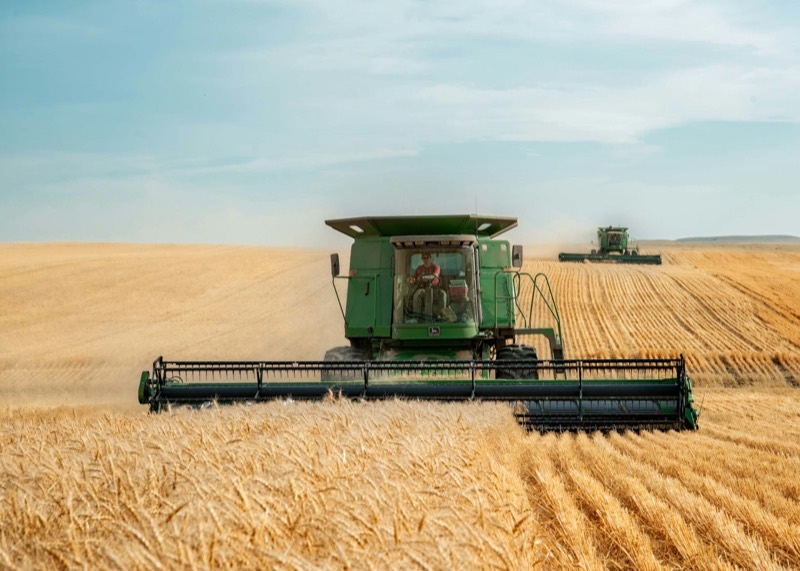
The trailer sat all summer. It hauled a few cows to the vet, maybe a bull home from the sale, and now it is going to make six trips in October with a full load every time, on the highway, with $1,600 calves on it. It is the piece of equipment on the place with the highest cost of failure and the least attention. Go through it before the first haul, in this order.
Wheel bearings
Bearings are the number one trailer failure and the one that puts you on the shoulder with a load of cattle in the sun. Repack them once a year, and once a year is now. Pull the hub, clean the old grease out, inspect the races for pitting or bluing, put new grease in by hand, and set the preload by the book: snug the nut while spinning the wheel, back it off, then finger tight and pin it. A bearing that is too tight overheats; too loose, it wobbles and destroys the seal. If the trailer has bearing buddies or oil bath hubs, check the level and the seals but do not assume that means you can skip the inspection.
After the first haul, put the back of your hand on each hub at the first stop. Warm is normal; too hot to hold is a bearing on its way out.
Brakes
Electric trailer brakes fail quietly. The truck stops fine because the truck's brakes are doing all the work, and you do not find out until a car pulls out in front of you with a full load behind. Check:
- Magnets. Pull the drum and look. A magnet worn through to the coil or worn at an angle is done. They are $20 each.
- Shoes and drums. Shoes worn to the rivets, drums scored or out of round. Adjust the shoes so the wheel drags slightly then backs off a click or two; self-adjusting brakes still need a starting point.
- Wiring. Chafed wires at the axle, corroded connections at the junction box, and the 7-pin plug, which is the most common failure of all. Clean the pins and check every function with a tester.
- Breakaway switch and battery. Pull the pin; the brakes should lock and stay locked. If they do not, the battery is dead. It is a $30 battery and a legal requirement in every state.
- Brake controller gain. Set it with a loaded trailer on a gravel road at 25 miles an hour: increase the gain until the trailer wheels just lock, then back off. A controller set for an empty trailer is not set for 15,000 pounds of cattle.
Tires
Trailer tires die of age, not miles. Find the DOT date code on the sidewall, four digits at the end of the DOT string; 2321 is the 23rd week of 2021. Six years is the replacement point regardless of tread, and a trailer that sits outside in the sun gets there sooner. Check for sidewall cracking and check the pressure cold, to the sidewall maximum, not to what the truck runs. Under-inflation is what blows a trailer tire at highway speed with a load on. Make sure the tires are ST-rated or a load-range rated for the axle, and that the spare exists, is aired up, and the lug wrench fits.
Floor and gates
Pull the mats up. Wood floors rot from underneath, at the ends of the boards and around the rear gate, where manure and water sit. Push a screwdriver into every board end. Aluminum floors corrode where the mat traps urine; look for white powder and pitting. A calf that goes through the floor at 65 miles an hour is a calf you do not get back.
Check every gate latch, every hinge pin, and the center gate, which takes the most abuse. A latch that can bounce open is a gate that will be open on the interstate. Check the slam latch on the rear gate and the pin that backs it up.
Lights, hitch, and the rest
Every light, including the marker lights, with someone watching. The coupler and the ball: a 2 5/16 ball on a gooseneck is the standard and it should not be worn flat on top; the coupler jaws should lock and the safety pin should go in. Safety chains crossed under the hitch. The jack, so you can unhook. The fenders, because a cracked fender is the next flat.
Loading it
BQA's transportation guidelines are worth an evening: 10 to 12 square feet per 500-pound calf, more in hot weather, sort by size, load the heavy end forward, and keep it moving. Stopping for coffee with a load on a warm day is where cattle overheat. And the calves are the last thing on and the first thing off. Everything above is so that part goes the way it should.
Reporting from Beef Quality Assurance Transportation.
Comments
Sign in or create an account to join the conversation.