Your electric fence is only as good as its ground. Test it before the grass dies.
Most electric fence failures in winter are not the wire and not the charger. They are three ground rods that were fine in wet June ground and are now sitting in frozen dust. How to test the ground, read the voltage, and find the short before the cows do.
2h ago
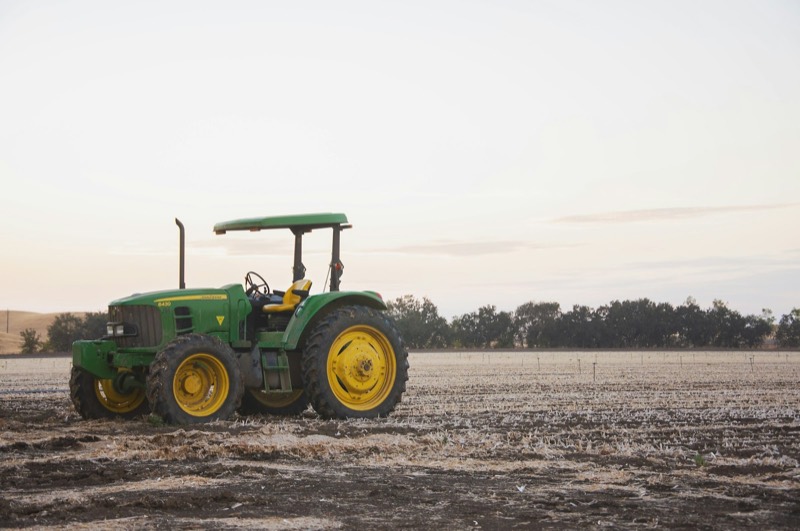
An electric fence that carries 7,000 volts in June can carry 2,000 in December with nothing changed but the weather. Dry soil does not conduct, frozen soil conducts worse, and the whole system depends on the current getting from the wire, through the cow, into the dirt, and back to the charger's ground rods. When the dirt stops cooperating, the fence stops working, and the first sign is usually a cow in the road.
How the circuit works
The charger pushes a pulse down the fence wire. Nothing happens until an animal touches the wire while standing on the ground. Then the current runs through the animal, into the soil, back to the charger's ground rods, and completes the circuit. The ground rods are half the fence. A charger with a weak ground is like a battery with one terminal.
The ground rod rule
- Three galvanized rods, 6 to 8 feet long, 10 feet apart, connected in series with insulated galvanized wire and proper clamps. That is the minimum for any charger above about 1 joule. Bigger chargers need more rods: a rough rule is 3 feet of rod per joule of output.
- Galvanized to galvanized. Copper wire on a galvanized rod corrodes at the joint and the connection dies inside two years. Use galvanized clamps and galvanized wire.
- Put them where the ground stays damp. Under a downspout, near a tank, in a low spot. A ground rod in a dry gravel ridge is decoration.
- Not near a utility ground. Keep them at least 50 feet from any household or barn ground rod, or the pulse finds its way into the wiring.
Test the ground
You do not need to guess. Short the fence out about 300 feet from the charger by leaning three or four steel posts against the wire so it is dead-grounded. That pushes maximum current through the system. Now put a fence tester between the last ground rod and the soil a few feet away. Anything over about 300 to 500 volts on the ground rod means the ground cannot handle the current and you need more rods or wetter ground. A good ground reads near zero.
Read the fence
A digital fence tester with a ground probe costs $30 to $60 and belongs in the truck. The numbers:
- 4,000 volts or more on the wire will turn cattle. Some people run 3,000 for trained cows; nothing under that is a fence in winter with a thick hair coat.
- Test at the far end, not at the charger. The far end tells you what is getting through.
- Write down the normal reading for each fence when it is working. Then a drop tells you something changed.
Find the short
If the voltage is down, walk it with the tester, or better, with a fault finder that shows current and points the direction of the leak. The usual suspects, in order: a broken insulator on a steel post, a branch or a fallen top wire on a lower one, an underground wire that has cracked its insulation at the gate, a gate handle hooked to a dead post, vegetation on the bottom wire, and the joint where a splice was made with a twist instead of a knot or a clamp. Grass load is less of a problem once it dies back, which is the one thing winter does for you.
The charger
Buy by joules of output, not miles of fence. A 1-joule charger runs a few clean miles; a 6-joule charger runs 30 or more miles of multi-wire with some grass load. Keep it inside, keep a surge protector on the AC side, and disconnect it in a lightning storm if you are home, because a lightning diverter on the fence lead helps but does not guarantee anything. Solar chargers need a battery in good shape; a three-year-old battery that will not hold overnight in the summer will not run the fence through a week of December cloud.
Before the first freeze
Walk every hot fence with the tester once, fix what is under 4,000, drive another rod anywhere the ground test fails, and check that the underground gate wires are still carrying. It is an afternoon. It is also the difference between a fence that holds cows off the stockpiled fescue until you are ready and a fence that holds them until the first cold morning.
Reporting from University of Missouri Extension.
Comments
Sign in or create an account to join the conversation.