Choosing the Right Skid-Steer Loader for Your Farm Operation
1h ago
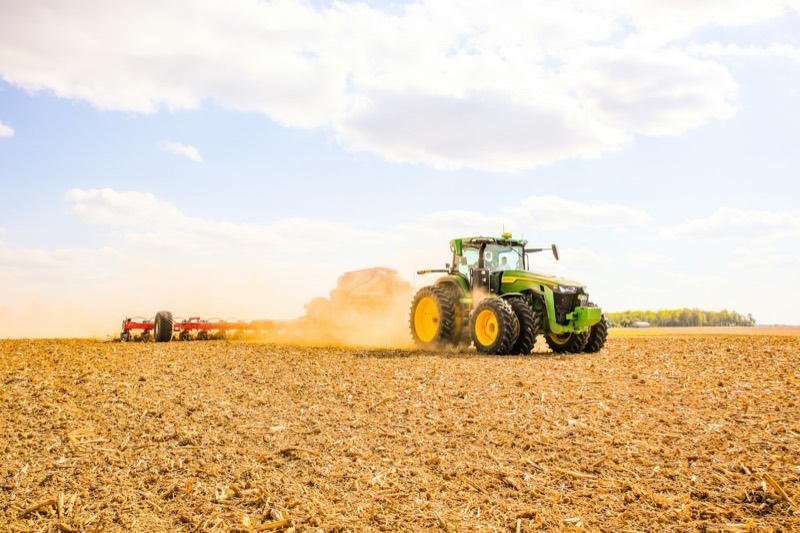
Skid-steer loaders are versatile and essential pieces of equipment for many farm operations. They can be used for a wide range of tasks, from loading and hauling materials to digging and excavating. With so many different models and brands available, choosing the right skid-steer loader for your farm can be a daunting task. In this article, we will explore the key factors to consider when selecting a skid-steer loader, including size, horsepower, and attachments.
Size and Weight Considerations
The size and weight of a skid-steer loader are critical factors to consider. Larger loaders can handle heavier loads and are often more powerful, but they can also be more difficult to maneuver in tight spaces and may require more maintenance. Smaller loaders, on the other hand, are more agile and require less maintenance, but they may not have the power or capacity to handle heavy loads. When choosing a skid-steer loader, consider the size of your farm and the types of tasks you will be using it for. If you have a small farm with limited space, a smaller loader may be the best choice. If you have a larger farm with more open space, a larger loader may be more suitable.
It's also important to consider the weight of the loader. Heavier loaders can be more stable and less likely to tip over, but they can also be more difficult to transport and may require more fuel to operate. Lighter loaders, on the other hand, are easier to transport and require less fuel, but they may be more prone to tipping over. When choosing a skid-steer loader, look for a model that has a low center of gravity and a wide wheelbase to improve stability.
Horsepower and Engine Considerations
The horsepower and engine of a skid-steer loader are also important factors to consider. More powerful engines can handle heavier loads and are often more efficient, but they can also be more expensive to purchase and maintain. Less powerful engines, on the other hand, are often less expensive to purchase and maintain, but they may not have the power or capacity to handle heavy loads. When choosing a skid-steer loader, consider the types of tasks you will be using it for and the size of your farm. If you have a small farm with limited tasks, a less powerful engine may be sufficient. If you have a larger farm with more demanding tasks, a more powerful engine may be necessary.
It's also important to consider the type of engine and fuel system. Some skid-steer loaders have diesel engines, while others have gasoline engines. Diesel engines are often more efficient and have a longer lifespan, but they can also be more expensive to purchase and maintain. Gasoline engines, on the other hand, are often less expensive to purchase and maintain, but they may not be as efficient or have as long of a lifespan. When choosing a skid-steer loader, consider the cost of fuel and maintenance, as well as the environmental impact of the engine.
Attachments and Accessories
Skid-steer loaders often come with a variety of attachments and accessories that can increase their versatility and usefulness. Some common attachments include buckets, forks, and augers. Buckets are used for loading and hauling materials, while forks are used for lifting and moving heavy objects. Augers are used for digging and excavating. When choosing a skid-steer loader, consider the types of attachments you will need and look for a model that has a universal mounting system to make it easy to switch between attachments.
It's also important to consider the quality and durability of the attachments. Look for attachments that are made with high-quality materials and have a reputation for being reliable and long-lasting. Some manufacturers also offer specialized attachments, such as snow blowers or mulching heads, that can increase the versatility of the loader. When choosing a skid-steer loader, consider the types of tasks you will be using it for and look for a model that has the attachments and accessories you need.
Operational Costs and Maintenance
Operational costs and maintenance are also important factors to consider when choosing a skid-steer loader. Look for a model that has a reputation for being reliable and requiring minimal maintenance. Some manufacturers also offer maintenance packages or warranties that can help reduce the cost of ownership. When choosing a skid-steer loader, consider the cost of fuel, maintenance, and repairs, as well as the cost of any attachments or accessories you may need.
It's also important to consider the operator's comfort and safety. Look for a model that has a comfortable and ergonomic operator's station, as well as safety features such as roll bars and seat belts. Some manufacturers also offer advanced safety features, such as backup cameras or proximity sensors, that can help prevent accidents. When choosing a skid-steer loader, consider the comfort and safety of the operator, as well as the overall cost of ownership.
Conclusion
Choosing the right skid-steer loader for your farm operation can be a complex and daunting task. However, by considering the size and weight, horsepower and engine, attachments and accessories, operational costs and maintenance, and operator's comfort and safety, you can make an informed decision that meets your needs and budget. For more information on skid-steer loaders and other farm equipment, visit https://thefarmersherd.com to learn more about the latest products and technologies available to farmers and ranchers.
Comments
Sign in or create an account to join the conversation.