Understanding and Implementing Enterprise Budgets for Farm Operations
Oct 31
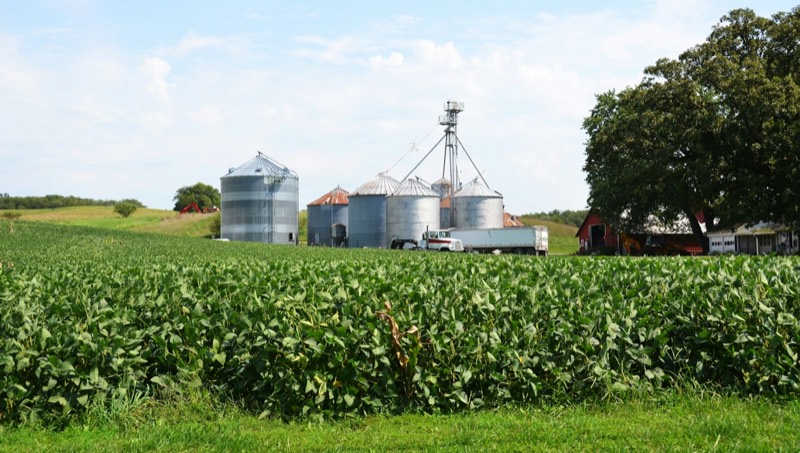
As a farm operator, managing the financial aspects of your business is crucial for long-term success. One key tool in achieving this goal is the enterprise budget. An enterprise budget is a detailed financial plan for a specific segment of your farm operation, such as a crop or livestock enterprise. It outlines projected income and expenses, allowing you to make informed decisions about resource allocation and investment. In this article, we will delve into the world of enterprise budgets, exploring their components, benefits, and implementation strategies for farm operations.
Components of an Enterprise Budget
An enterprise budget typically consists of several key components, including revenue, variable costs, fixed costs, and net returns. Revenue refers to the income generated by the enterprise, such as crop sales or livestock production. Variable costs are expenses that vary with the level of production, including items like seed, fertilizer, and feed. Fixed costs, on the other hand, remain relatively constant regardless of production levels, and may include expenses like equipment depreciation, insurance, and labor. Net returns represent the profit or loss from the enterprise, calculated by subtracting total costs from revenue.
A well-constructed enterprise budget will also consider other factors, such as market trends, weather conditions, and regulatory requirements. For example, a crop enterprise budget may need to account for potential yield losses due to drought or pests, while a livestock enterprise budget may need to consider fluctuations in feed prices or market demand. By carefully considering these factors, you can create a more accurate and comprehensive budget that reflects the unique characteristics of your farm operation.
Benefits of Enterprise Budgets
Implementing enterprise budgets can have numerous benefits for farm operations. One of the primary advantages is improved financial management. By breaking down your operation into smaller, more manageable segments, you can better understand the financial performance of each enterprise and make more informed decisions about resource allocation. This can help you identify areas of inefficiency or opportunity, allowing you to optimize your operation and increase overall profitability.
Enterprise budgets can also facilitate more effective planning and decision-making. By outlining projected income and expenses, you can anticipate potential cash flow shortages or surpluses, and adjust your plans accordingly. This can help you avoid costly mistakes, such as over-investing in a particular enterprise or failing to account for unexpected expenses. Additionally, enterprise budgets can provide a useful framework for evaluating new opportunities or investments, allowing you to assess their potential impact on your operation's financial performance.
Implementing Enterprise Budgets
Implementing enterprise budgets requires a combination of financial data, production information, and market analysis. The first step is to gather historical data on your operation's financial performance, including revenue, expenses, and net returns. This data can be used to establish baseline projections for each enterprise, which can then be adjusted based on factors like market trends, weather conditions, and regulatory requirements.
Next, you will need to estimate variable and fixed costs for each enterprise. This may involve consulting with suppliers, contractors, or other industry experts to determine the most accurate cost estimates. You should also consider potential risks and uncertainties, such as crop diseases or livestock health issues, and develop contingency plans to mitigate their impact.
Once you have gathered and analyzed the necessary data, you can begin constructing your enterprise budgets. This typically involves creating a spreadsheet or using specialized software to outline projected income and expenses for each enterprise. You should regularly review and update your budgets to reflect changes in market conditions, production levels, or other factors that may impact your operation's financial performance.
Example of an Enterprise Budget
To illustrate the concept of an enterprise budget, let's consider a simple example. Suppose you operate a farm with a corn enterprise and a cattle enterprise. Your corn enterprise budget might include the following projections:
- Revenue: $200,000 (based on 1,000 acres of corn at $200 per acre)
- Variable costs: $80,000 (including seed, fertilizer, and equipment expenses)
- Fixed costs: $30,000 (including equipment depreciation, insurance, and labor)
- Net returns: $90,000 (calculated by subtracting total costs from revenue)
Your cattle enterprise budget might include the following projections:
- Revenue: $150,000 (based on 100 head of cattle at $1,500 per head)
- Variable costs: $60,000 (including feed, veterinary care, and marketing expenses)
- Fixed costs: $20,000 (including equipment depreciation, insurance, and labor)
- Net returns: $70,000 (calculated by subtracting total costs from revenue)
By comparing the financial performance of your corn and cattle enterprises, you can make more informed decisions about resource allocation and investment. For example, you might decide to expand your cattle enterprise if it appears more profitable, or invest in new equipment to improve the efficiency of your corn operation.
Conclusion
Enterprise budgets are a powerful tool for farm operators, providing a detailed financial plan for each segment of your operation. By understanding the components, benefits, and implementation strategies for enterprise budgets, you can improve your financial management, planning, and decision-making. Whether you're a seasoned farmer or just starting out, implementing enterprise budgets can help you optimize your operation, increase profitability, and achieve long-term success. For more information on farm business management and enterprise budgets, visit https://thefarmersherd.com.


Comments
Sign in or create an account to join the conversation.