Building a Resilient Farming Operation: Strategies for Success
5d ago
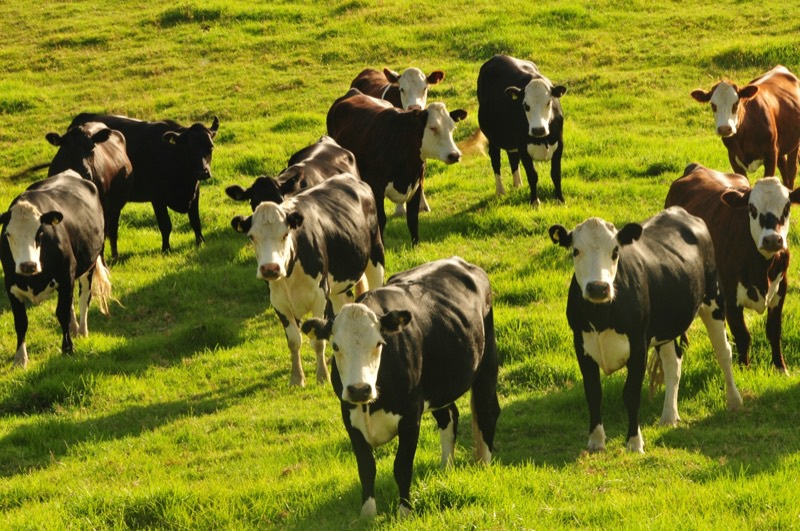
Farming is a complex and multifaceted industry, requiring careful management of herd health, pasture and forage, equipment, farm business, and market trends. As a farmer, it's essential to stay up-to-date on the latest best practices and strategies to ensure the long-term success of your operation. In this article, we'll explore key considerations for building a resilient farming operation, including tips on maintaining herd health, optimizing pasture and forage management, selecting the right equipment, managing farm business, and navigating market trends.
Herd Health: The Foundation of a Successful Farming Operation
A healthy herd is the backbone of any successful farming operation. To maintain optimal herd health, it's crucial to implement a comprehensive vaccination program, provide regular veterinary care, and ensure access to high-quality feed and water. Additionally, farmers should prioritize biosecurity measures, such as isolating new animals and implementing strict sanitation protocols, to prevent the spread of disease. Regular monitoring of herd health, including tracking key performance indicators such as birth rates, growth rates, and mortality rates, can help farmers identify potential issues before they become major problems.
Another critical aspect of herd health is nutrition. Providing a balanced and nutrient-rich diet is essential for maintaining optimal health and productivity. Farmers should work with a qualified nutritionist to develop a customized feed plan that meets the specific needs of their herd. Furthermore, ensuring access to adequate shelter, shade, and ventilation can help reduce stress and prevent heat-related illnesses.
Pasture and Forage Management: Maximizing Productivity
Effective pasture and forage management is critical for maintaining a healthy and productive herd. Farmers should implement a rotational grazing system, which involves dividing pastures into smaller sections and rotating the herd through each section to allow for optimal forage growth and reduce soil erosion. Regular soil testing and fertilization can also help maintain soil health and optimize forage production.
In addition to rotational grazing, farmers should prioritize forage quality and quantity. This can involve planting high-quality forage crops, such as alfalfa or clover, and implementing strategies to reduce waste and optimize harvest timing. Regular monitoring of pasture conditions, including tracking forage growth rates and soil moisture levels, can help farmers make informed decisions about grazing and harvesting strategies.
Equipment Selection and Maintenance: Optimizing Efficiency
The right equipment can make a significant difference in the efficiency and productivity of a farming operation. When selecting equipment, farmers should consider factors such as durability, reliability, and maintenance requirements. Regular maintenance, including routine cleaning and lubrication, can help extend the life of equipment and prevent costly repairs.
In addition to selecting the right equipment, farmers should prioritize operator safety and training. Ensuring that all operators are properly trained and equipped can help reduce the risk of accidents and injuries. Regular inspection and maintenance of equipment can also help identify potential issues before they become major problems.
Farm Business Management: Strategies for Success
Effective farm business management is critical for maintaining a profitable and sustainable farming operation. Farmers should prioritize financial planning, including developing a comprehensive budget and tracking key financial performance indicators such as revenue, expenses, and profitability. Regular review and analysis of financial data can help farmers make informed decisions about investments, expansions, and other business strategies.
In addition to financial planning, farmers should prioritize marketing and sales strategies. Developing a strong brand and marketing plan can help farmers connect with customers and differentiate their products in a competitive market. Regular monitoring of market trends and prices can also help farmers make informed decisions about pricing and production strategies.
Markets and Prices: Navigating the Complexities of the Agricultural Industry
The agricultural industry is subject to a wide range of market and price fluctuations, making it essential for farmers to stay up-to-date on the latest trends and developments. Regular monitoring of market prices, including tracking key commodities such as corn, soybeans, and cattle, can help farmers make informed decisions about pricing and production strategies.
In addition to monitoring market prices, farmers should prioritize risk management strategies, such as hedging and diversification. Developing a comprehensive risk management plan can help farmers mitigate potential losses and ensure the long-term sustainability of their operation. Regular review and analysis of market data can also help farmers identify potential opportunities and challenges, and make informed decisions about investments and expansions.
By prioritizing herd health, pasture and forage management, equipment selection and maintenance, farm business management, and market trends, farmers can build a resilient and sustainable farming operation. For more information and resources on these topics, visit https://thefarmersherd.com to stay up-to-date on the latest news, research, and best practices in the agricultural industry.
Comments
Sign in or create an account to join the conversation.