Building a Resilient Farm Operation: Strategies for Success
5h ago
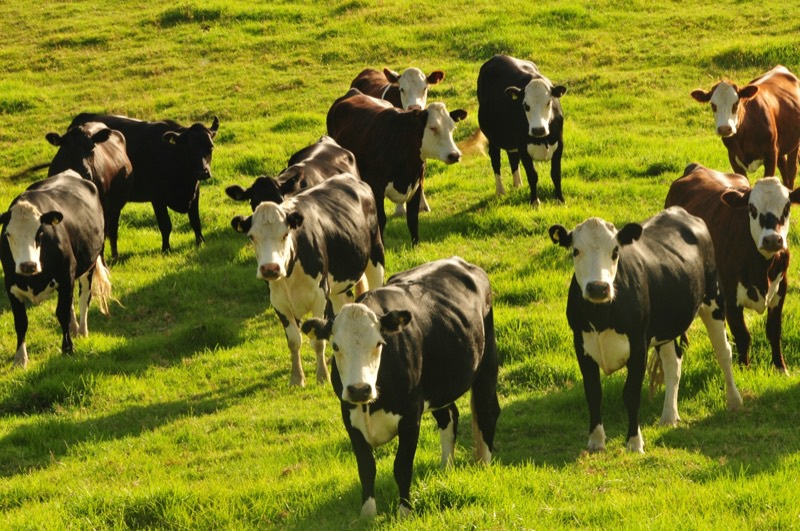
As a farmer, you understand the importance of building a resilient farm operation. This means being prepared for the unexpected, whether it's a disease outbreak in your herd, a drought that affects your pasture and forage, or a sudden change in market prices. In this article, we'll explore strategies for building a resilient farm operation, covering key areas such as herd health, pasture and forage management, equipment maintenance, farm business planning, and market trends.
Herd Health: The Foundation of a Resilient Farm
A healthy herd is the foundation of a resilient farm operation. This means implementing a robust herd health program that includes regular vaccinations, parasite control, and monitoring for disease. It's also important to have a plan in place for dealing with disease outbreaks, including protocols for quarantine, treatment, and biosecurity. By prioritizing herd health, you can reduce the risk of disease and minimize the impact of any outbreaks that do occur.
In addition to a herd health program, it's also important to consider the nutritional needs of your herd. This includes providing high-quality feed and ensuring access to clean water. By meeting the nutritional needs of your herd, you can help to boost their immune systems and reduce the risk of disease. Regular monitoring of your herd's health and nutrition can help you to identify any issues early on, allowing you to take action before they become major problems.
Pasture and Forage Management: Maximizing Productivity
Pasture and forage management is critical to the success of your farm operation. This includes implementing a rotation system to maximize productivity and minimize the risk of overgrazing. It's also important to consider the types of forage you're planting, choosing varieties that are well-suited to your climate and soil type. By maximizing pasture and forage productivity, you can reduce the need for supplemental feed and minimize the risk of soil erosion.
In addition to rotation and planting, it's also important to consider the impact of weather on your pasture and forage. This includes having a plan in place for dealing with drought, including strategies for conserving water and minimizing the impact on your herd. By being prepared for weather-related challenges, you can help to minimize the risk of pasture and forage loss and ensure the long-term sustainability of your farm operation.
Equipment Maintenance: Keeping Your Operation Running Smoothly
Well-maintained equipment is essential to the success of your farm operation. This includes regular servicing of your tractors, plows, and other equipment, as well as having a plan in place for dealing with breakdowns. By keeping your equipment in good working order, you can minimize downtime and reduce the risk of costly repairs. It's also important to consider the safety implications of equipment maintenance, including ensuring that all equipment is properly guarded and that operators are trained in their use.
In addition to regular maintenance, it's also important to consider the overall efficiency of your equipment. This includes choosing equipment that is well-suited to your operation and minimizing waste. By optimizing your equipment usage, you can help to reduce costs and minimize the environmental impact of your farm operation. Regular monitoring of your equipment's performance can help you to identify areas for improvement and make data-driven decisions about upgrades or replacements.
Farm Business Planning: Managing Risk and Maximizing Profit
A well-planned farm business is critical to the long-term success of your operation. This includes having a clear understanding of your costs, revenues, and profit margins, as well as a plan in place for managing risk. By prioritizing farm business planning, you can make informed decisions about investments, expansions, and other strategic initiatives. It's also important to consider the impact of market trends on your farm business, including changes in prices, demand, and regulatory requirements.
In addition to financial planning, it's also important to consider the operational aspects of your farm business. This includes having a plan in place for managing labor, including hiring, training, and retaining staff. By optimizing your operational efficiency, you can help to reduce costs and minimize the risk of errors or accidents. Regular monitoring of your farm business's performance can help you to identify areas for improvement and make data-driven decisions about strategic initiatives.
Markets and Prices: Staying Ahead of the Curve
Understanding market trends and prices is critical to the success of your farm operation. This includes staying up-to-date on changes in demand, prices, and regulatory requirements, as well as having a plan in place for managing risk. By prioritizing market analysis, you can make informed decisions about production, pricing, and marketing. It's also important to consider the impact of global events on your farm operation, including changes in trade policies, weather patterns, and disease outbreaks.
In addition to market analysis, it's also important to consider the marketing aspects of your farm business. This includes having a plan in place for promoting your products, including branding, advertising, and social media. By optimizing your marketing strategy, you can help to increase demand, boost prices, and minimize the risk of market volatility. Regular monitoring of market trends and prices can help you to stay ahead of the curve and make data-driven decisions about your farm operation.
By implementing these strategies, you can help to build a resilient farm operation that is better equipped to handle the challenges of the agricultural industry. For more information and resources on building a resilient farm operation, visit https://thefarmersherd.com. Our website offers a wealth of information and expertise on herd health, pasture and forage management, equipment maintenance, farm business planning, and market trends, helping you to make informed decisions and stay ahead of the curve in the ever-changing world of agriculture.
Comments
Sign in or create an account to join the conversation.