Building a Resilient Farming Operation: Strategies for Success
3d ago
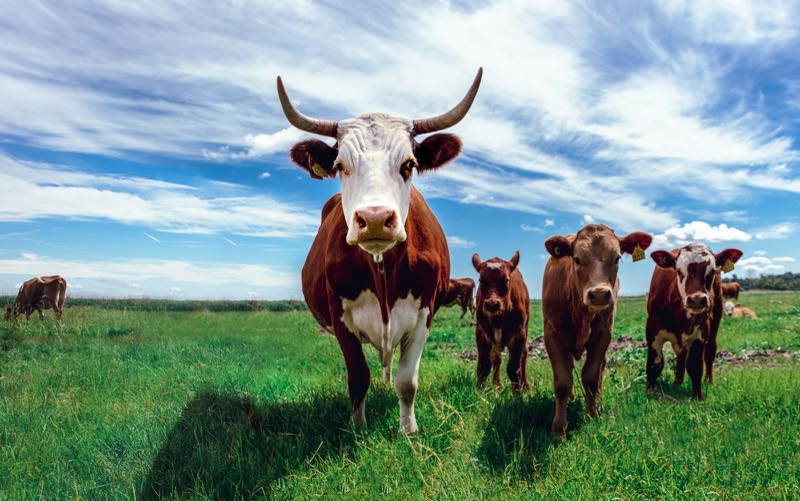
Farming is a complex and multifaceted industry, requiring careful management of herd health, pasture and forage, equipment, farm business, and markets and prices. To build a resilient farming operation, producers must be able to navigate these various components and make informed decisions that promote long-term sustainability. In this article, we will explore practical strategies for achieving success in each of these areas, providing farmers with the knowledge and tools they need to thrive in an ever-changing agricultural landscape.
Herd Health: The Foundation of a Successful Farm
A healthy herd is the backbone of any successful farming operation. To maintain optimal herd health, farmers must prioritize regular veterinary care, including vaccinations, parasite control, and dental care. Additionally, producers should implement a robust nutrition program, providing their animals with a balanced diet that meets their nutritional needs. This may involve working with a qualified nutritionist to develop a customized feed plan, as well as monitoring feed quality and availability to ensure that the herd is receiving the nutrients it needs to thrive.
Another critical aspect of herd health is biosecurity. Farmers should take steps to prevent the introduction and spread of disease on their farm, such as implementing strict sanitation protocols, restricting access to the farm, and requiring visitors to wear protective clothing and footwear. By prioritizing herd health, farmers can reduce the risk of disease outbreaks, minimize the need for antibiotics and other medications, and promote overall animal well-being.
Pasture and Forage: The Key to Sustainable Livestock Production
Pasture and forage are essential components of sustainable livestock production, providing animals with a natural source of nutrition while also promoting soil health and biodiversity. To optimize pasture and forage production, farmers should implement a rotational grazing system, which involves dividing the pasture into smaller paddocks and moving the animals to a new paddock on a regular basis. This approach helps to prevent overgrazing, promotes even manure distribution, and allows the pasture to recover and regrow.
In addition to rotational grazing, farmers should also prioritize soil health through the use of cover crops, manure application, and other conservation tillage practices. These strategies help to build soil organic matter, reduce erosion, and promote water infiltration, ultimately leading to more productive and resilient pastures. By focusing on pasture and forage production, farmers can reduce their reliance on external feed sources, promote more sustainable livestock production, and contribute to a healthier environment.
Equipment: Investing in the Right Tools for the Job
Having the right equipment is essential for any farming operation, allowing producers to efficiently and effectively manage their herd, pasture, and crops. When investing in new equipment, farmers should consider factors such as durability, reliability, and maintenance requirements, as well as the specific needs of their operation. For example, a farmer with a large herd may require a more heavy-duty tractor or livestock trailer, while a smaller operation may be able to get by with more basic equipment.
In addition to purchasing new equipment, farmers should also prioritize regular maintenance and repair. This may involve scheduling regular servicing, performing routine inspections, and keeping a stock of spare parts on hand. By investing in the right equipment and maintaining it properly, farmers can reduce downtime, increase productivity, and promote overall efficiency on the farm.
Farm Business: Managing the Financial Side of Farming
Farming is a business, and like any business, it requires careful financial management to succeed. Farmers should prioritize budgeting and financial planning, taking into account factors such as input costs, market prices, and production expenses. This may involve working with an accountant or financial advisor to develop a comprehensive business plan, as well as regularly reviewing and updating the plan to reflect changing market conditions and operational needs.
Another important aspect of farm business management is risk management. Farmers should consider strategies such as crop insurance, livestock insurance, and diversification to mitigate the risks associated with farming, such as weather events, market fluctuations, and disease outbreaks. By prioritizing financial management and risk management, farmers can reduce their exposure to financial shocks, promote long-term sustainability, and achieve greater peace of mind.
Markets and Prices: Staying Ahead of the Curve
Understanding markets and prices is critical for any farming operation, allowing producers to make informed decisions about production, pricing, and marketing. Farmers should stay up-to-date on current market trends and prices, using tools such as market reports, price forecasts, and social media to stay informed. Additionally, producers should consider strategies such as price hedging, forward contracting, and diversification to manage price risk and promote greater stability in their operation.
Another important aspect of market and price management is marketing and sales. Farmers should develop a comprehensive marketing plan, identifying their target market, developing a unique value proposition, and creating a sales strategy that resonates with their target audience. By prioritizing market and price management, farmers can promote greater financial stability, increase their competitiveness in the marketplace, and achieve greater success in their operation.
By implementing these strategies and prioritizing herd health, pasture and forage, equipment, farm business, and markets and prices, farmers can build a resilient and sustainable farming operation. For more information and resources on these topics, visit https://thefarmersherd.com to stay up-to-date on the latest news, research, and best practices in agriculture.
Comments
Sign in or create an account to join the conversation.