It is Suicide Prevention Month, and this year the numbers on the farm are worse
Rural suicide rates run about 1.5 times urban. Three years of thin crop margins, a credit picture that is starting to crack, and a 75-year-low cowherd with a tariff headline on top. Who to call, what to say to a neighbor, and what the farm bill is doing about it.
Sep 10
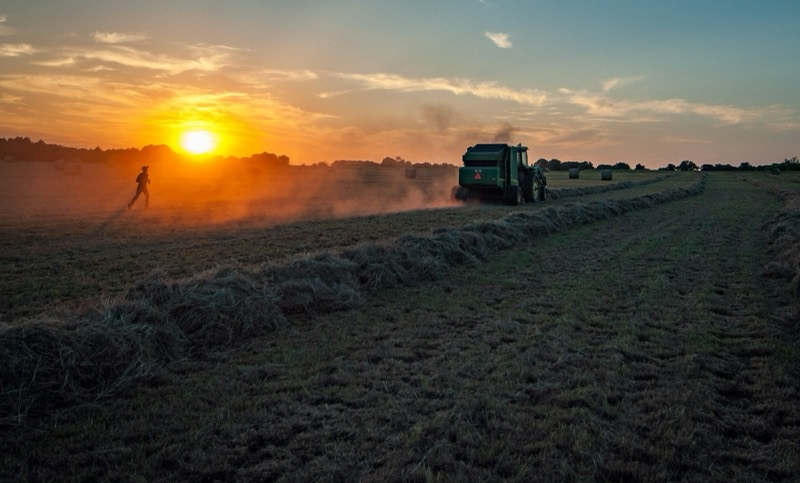
This site covers markets and policy because that is what people read. But the Chicago Fed's second-quarter survey had 3.7 percent of farm loans in serious repayment trouble, the highest since 2020, and behind every one of those loans is a family at a kitchen table. September is National Suicide Prevention Month, so this is the piece about the table.
The numbers
Suicide rates in rural counties run roughly 1.5 times urban rates. Studies of farmers specifically put the rate at several times the national average, though the exact multiple depends on how you count. Farmers and ranchers face a specific set of stressors: debt that is secured by the land your grandfather bought, weather you cannot control, prices you cannot control, isolation, long hours, and, in a lot of families, a culture where asking for help is not something a man does.
A qualitative study published this year of farm communities in the East South-Central states found the barriers were exactly what you would guess: nobody to talk to within 50 miles, the stigma of being seen at the clinic, and a deep belief that a farmer solves his own problems. One therapist who has worked with farmers for 18 years put it this way: they are very independent, and they try to solve their own problems.
What the policy side is doing
The House farm bill carries an amendment directing USDA's Farm and Ranch Stress Assistance Network to study how mental health services are actually being used by farmers and ranchers and report back to Congress. FRSAN is the program that funds state-level hotlines, peer support, and training; it has been chronically underfunded, and the study is a step toward fixing that rather than a fix.
Farm Bureau's Farm State of Mind program has free resources, including a directory of rural-specific counselors and a guide to talking with someone you are worried about.
What to do
If you are struggling: call or text 988. It is free, confidential, 24 hours, and the people answering have talked to farmers before. If you would rather talk to someone who knows agriculture, most state extension services now run a farm stress line; search your state's name plus "farm stress hotline."
If you are worried about someone else: ask them directly. "Are you thinking about killing yourself?" is the question, and asking it does not put the idea in anyone's head. Research on this is settled. Then listen, do not fix, and stay with them or get them to someone who can. Take the guns and the sleeping pills out of the house for a while if they will let you. Follow up the next day, and the day after.
If you employ people: the stress on a hired hand facing a wage cut under the new H-2A rule, or a farm manager watching the margin disappear, is real and it is yours to notice.
The rest of the site will be back to cattle prices tomorrow. Today, check on your neighbor.
Reporting from American Farm Bureau Federation.
Comments
Sign in or create an account to join the conversation.