Deer season is a second crop. Leasing the hunting rights without leasing away the ranch.
Hunting lease income runs from a few dollars an acre to more than the cash rent on some ground, and it is money the cows do not know about. What a lease should say, what liability actually looks like, what a recreational-use statute does and does not protect you from, and how to keep hunters from becoming a problem for the cattle.
Oct 17
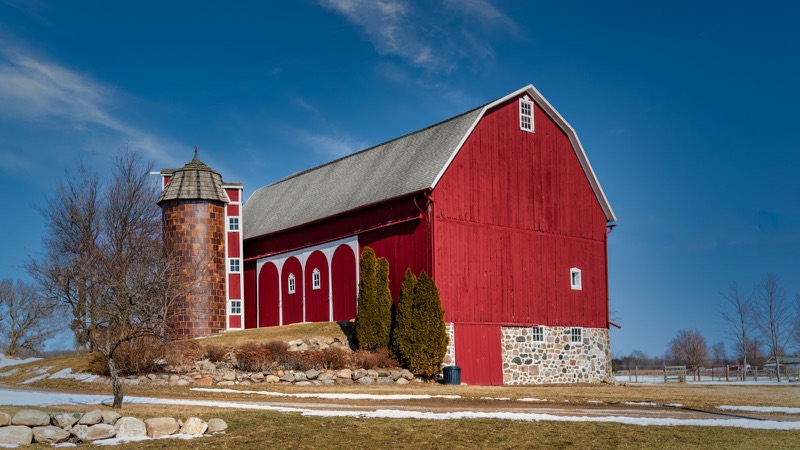
Every fall a truck pulls into the yard, a man gets out, and he asks whether you would consider letting him hunt. Sometimes it is a neighbor's kid and the answer is yes and a handshake. Sometimes it is a group from the city with money, and the answer should still be yes, but not with a handshake. A hunting lease done right is real income, on land you already own, for a season when the cattle mostly take care of themselves. Done wrong, it is a lawsuit, a cut fence, and a dead cow.
What it is worth
Rates vary more than any other thing you rent. Timber and river-bottom ground in the whitetail states runs $10 to $30 an acre for a season lease; trophy ground in Illinois, Iowa, Kansas, and parts of Texas can go over $50; open Plains pasture with pronghorn and a few mule deer might bring $2 to $5. Day leases, guided hunts, and waterfowl on a good pond are separate markets. A 1,000-acre place with reasonable deer numbers in the Midwest is a $15,000 to $30,000 line item that did not exist before the deer moved in. Ask the county extension office or a neighbor who leases what the going rate is; there is no survey as good as the local one.
The lease
Write it down. The written lease is not for the hunters you trust; it is for the hunter who gets hurt, the game warden who finds a violation, and the estate lawyer if something happens to you. It should cover:
- Who: named individuals, with a limit on guests. Not "and friends."
- What: species, seasons, weapons, and whether it includes turkey, waterfowl, fishing, camping, or just deer. Whether they can put up stands, feeders, cameras, or food plots, and who owns them when the lease ends.
- Where: a map. Exclude the house, the working pens, the calving pasture, and anywhere the cattle are concentrated in the fall.
- When: dates of access, and whether they can scout in the summer.
- Rules: gates closed, no driving off the roads, no shooting toward the house or the cattle, no alcohol while hunting, and no hunting the day the cattle are being worked. Write in the right to cancel for a violation with no refund.
- Money: the amount, the due date, and a deposit.
- Liability: a release, an indemnification clause, and a requirement that the lessee carry hunting lease liability insurance naming you as an additional insured. Policies through the hunting lease programs run a few hundred dollars for the group and cover $1 million or more. Do not lease without it.
State extension services in Texas, Mississippi, Missouri, and others publish sample hunting lease forms for free. Start with one of those and have your lawyer read it once.
What the recreational-use statute does
Every state has a law that limits a landowner's liability to people using the land for recreation. Most of them protect you only if you do not charge a fee, or charge under some small amount. The moment it is a paid lease, in most states, you are back under ordinary premises liability and owe the hunters a duty to warn of hazards you know about: the old well, the cistern, the bull. That is why the lease has an insurance requirement and a release. The statute helps with the neighbor's kid. It does not help with the paying group.
Hunters and cattle
The problems are predictable. Gates left open. Trucks in a wet pasture. A stand set over the water tank so the cattle will not come in. A shot taken across a pen. A cow that gets dogged by a hunter walking through the herd every morning for two weeks and quits coming to the feed. Most of these are fixed by the map and the rules, and by walking the place with the lessee once before the season so they know where the cattle are and why it matters. Tell them which pasture the bred cows are in and that a stressed cow is money.
Income and taxes
Hunting lease income is rental income. If you do not provide services, it goes on Schedule E, not Schedule F, and is not subject to self-employment tax, which is a meaningful difference. If you guide, feed, and house them, it is a business. Ask the accountant, and keep the lease payment in its own line so the question is easy to answer.
The neighbor's kid
Still yes. Still write down the dates and the rules, and still ask his dad to sign a release. It takes five minutes and it is not an insult.
Reporting from Texas A&M AgriLife Extension.
Comments
Sign in or create an account to join the conversation.