Vaccinate three weeks before you wean, not the day of
Bovine respiratory disease is still the biggest killer of weaned calves, and most of the cases trace back to timing. A practical fall processing plan for spring-born calves, with what to give, when, and why the order matters.
Sep 5
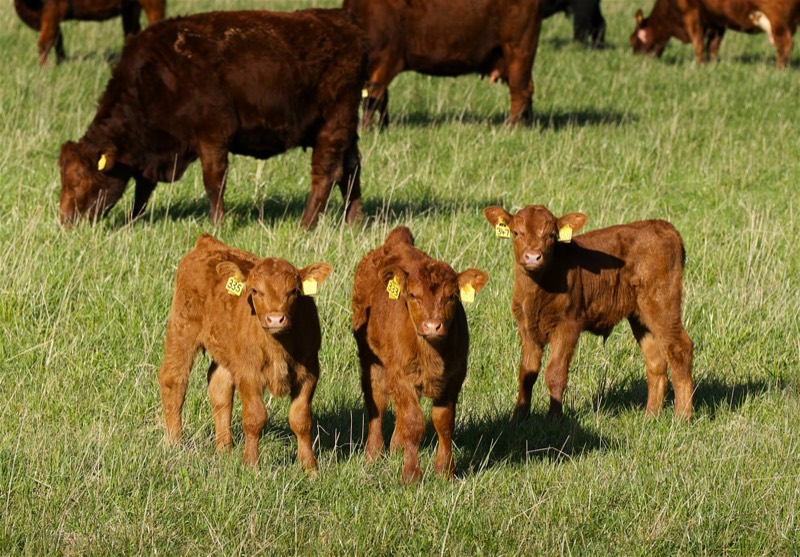
Every fall the sale barn is full of calves that were vaccinated the same morning they were pulled off the cow, loaded, and sold. Those calves are the ones that break with pneumonia ten days later at the buyer's place, and the buyer knows it, which is why preconditioned calves bring a premium and bawling calves take a discount.
With feeder calves worth what they are this year, the math on preconditioning has never been easier. Here is a plan that works for most spring-calving cow-calf operations.
The principle
A vaccine takes two to three weeks to produce useful immunity. Weaning is the most stressful thing that will happen to that calf all year. If you vaccinate on weaning day, the calf is trying to mount an immune response at exactly the moment stress hormones are suppressing it. The vaccine does less, and the calf is unprotected through the window when it needs protection most.
So the rule is simple: vaccinate two to four weeks before weaning. Three weeks is the sweet spot.
What to give, and when
Three to four weeks before weaning (first processing):
- A 5-way modified-live viral respiratory vaccine covering IBR, BVD types I and II, BRSV, and PI3. Check the label on modified-live products if calves are still nursing pregnant cows; some require the cows to have been vaccinated with the same product.
- A clostridial (7-way or 8-way blackleg).
- A Mannheimia haemolytica / Pasteurella multocida bacterin. These are the bacteria that actually cause the pneumonia; the viruses open the door.
- Deworm, and treat for flies if you have not.
At weaning:
- Booster the viral respiratory and clostridial products according to label.
- Do not add new vaccines at this point. Get the calf through weaning with as little handling stress as you can.
Two to three weeks after weaning: this is when a booster of the Mannheimia product goes on some programs. Ask your veterinarian; it depends on the product.
Work out the full schedule with your vet, and put it on paper. MU Extension's publication G2104 is a good template for a cow-calf vaccination program if you want a starting point.
The other half: management
Vaccines do not overcome bad weaning. The things that matter as much as the shots:
- Weather. Pick a stretch of mild, dry days. Weaning into a heat wave, a cold rain, or mud multiplies BRD risk. If the forecast is bad, wait a week.
- Fenceline or two-stage weaning. Calves that can see and hear the cow through a fence for four or five days bawl less, walk less, and eat sooner. Nose flaps work too.
- Feed and water they already know. Put out the hay and the water source in the weaning pen a week before, while calves are still on the cow, so they learn where it is.
- Do not mix. New calves from somewhere else, or your own calves from a different pasture, are the single most reliable way to start a pneumonia outbreak. Keep groups together.
- Watch them twice a day. Droopy ears, a calf off by itself, not coming to feed, a nose. Pull and treat early. A calf treated on day one of BRD usually recovers; a calf treated on day four often does not.
The payoff
A 45-day preconditioned, bunk-broke, twice-vaccinated calf with records goes through most sale barns' value-added programs at a premium of several dollars a hundredweight over an unweaned calf. On a 550-pound calf at this year's prices, that is real money, and it is before you count the weight gain on 45 days of feed and the calves that did not die.
Comments
Sign in or create an account to join the conversation.