Managing Johne's Disease in Cattle Herds: A Practical Approach
Oct 28
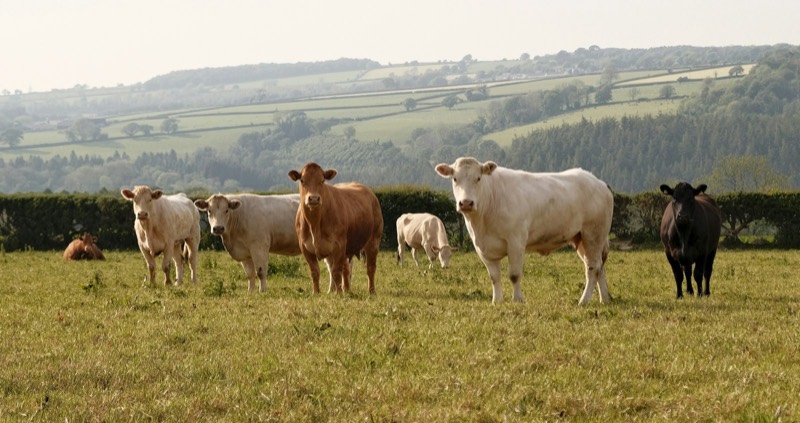
Johne's disease, also known as paratuberculosis, is a chronic and contagious bacterial infection that affects the small intestine of cattle, causing diarrhea, weight loss, and reduced milk production. It is a significant concern for cattle producers, as it can lead to significant economic losses and reduced animal welfare. In this article, we will delve into the practical aspects of managing Johne's disease in cattle herds, including diagnosis, prevention, and control measures.
Understanding Johne's Disease
Johne's disease is caused by the bacterium Mycobacterium avium subsp. paratuberculosis (MAP). The disease is typically spread through the fecal-oral route, where infected animals shed the bacteria in their manure, which can then be ingested by other animals. The bacteria can also be transmitted through contaminated feed, water, and equipment. Once an animal is infected, it can take several months to several years for the disease to progress and become clinically apparent.
The clinical signs of Johne's disease can vary, but they often include diarrhea, weight loss, and reduced milk production. In severe cases, the disease can lead to intestinal blockage, abscesses, and even death. It is essential to note that Johne's disease can be challenging to diagnose, as the clinical signs can be similar to those of other diseases, and the bacteria can be difficult to detect.
Diagnosis of Johne's Disease
Diagnosing Johne's disease can be a complex and time-consuming process. The most common diagnostic methods include:
- Fecal culture: This involves culturing the bacteria from a fecal sample. However, this method can be slow and may not always detect the bacteria.
- PCR (polymerase chain reaction) testing: This is a molecular test that can detect the DNA of the bacteria in a fecal sample. It is a more rapid and sensitive test than fecal culture.
- ELISA (enzyme-linked immunosorbent assay) testing: This is a blood test that detects the presence of antibodies against the bacteria. However, it can produce false-positive results and may not always detect infected animals.
- Necropsy: This involves examining the intestines and lymph nodes of a deceased animal for signs of the disease.
A combination of these diagnostic methods is often used to confirm a diagnosis of Johne's disease. It is essential to work with a veterinarian to determine the best diagnostic approach for your herd.
Prevention and Control Measures
Preventing and controlling Johne's disease requires a multi-faceted approach that includes:
- Testing and culling: Regularly testing your herd for Johne's disease and culling infected animals can help reduce the spread of the disease.
- Improved sanitation and hygiene: Regularly cleaning and disinfecting equipment, feeders, and waterers can help reduce the risk of transmission.
- Separation of infected animals: Separating infected animals from the rest of the herd can help prevent the spread of the disease.
- Vaccination: Vaccines are available for Johne's disease, but they are not always effective and may not provide complete protection.
- Improved nutrition and management: Providing a balanced diet and managing stress can help reduce the risk of disease.
It is essential to work with a veterinarian to develop a comprehensive plan for preventing and controlling Johne's disease in your herd.
Best Management Practices for Johne's Disease
Implementing best management practices can help reduce the risk of Johne's disease in your herd. These practices include:
- Calving in a clean environment: Calving in a clean and dry environment can help reduce the risk of transmission.
- Avoiding overstocking: Overstocking can increase the risk of disease transmission, so it is essential to manage herd size and density.
- Providing adequate ventilation: Providing adequate ventilation in barns and shelters can help reduce the risk of disease transmission.
- Regularly cleaning and disinfecting equipment: Regularly cleaning and disinfecting equipment can help reduce the risk of transmission.
- Monitoring for clinical signs: Regularly monitoring your herd for clinical signs of Johne's disease can help detect the disease early and prevent its spread.
By implementing these best management practices, you can help reduce the risk of Johne's disease in your herd and improve overall herd health.
Conclusion
Managing Johne's disease in cattle herds requires a comprehensive and practical approach that includes diagnosis, prevention, and control measures. By understanding the disease, implementing best management practices, and working with a veterinarian, you can help reduce the risk of Johne's disease and improve overall herd health. For more information on managing Johne's disease and other herd health topics, visit https://thefarmersherd.com.
Comments
Sign in or create an account to join the conversation.