Managing Bovine Respiratory Disease in Beef Cattle: A Practical Approach to Prevention and Treatment
1d ago
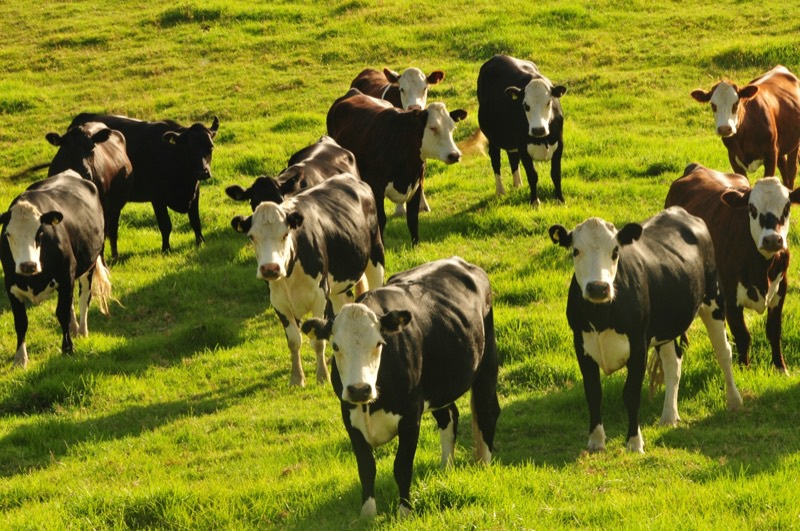
Bovine Respiratory Disease (BRD) is a significant health issue affecting beef cattle, causing substantial economic losses and animal welfare concerns. BRD is a complex disease caused by a combination of factors, including viral and bacterial pathogens, environmental stressors, and host factors. In this article, we will delve into the causes, risk factors, prevention, and treatment strategies for managing BRD in beef cattle.
Causes and Risk Factors of Bovine Respiratory Disease
BRD is typically caused by a combination of viral and bacterial pathogens, including Bovine Viral Diarrhea Virus (BVDV), Bovine Herpesvirus 1 (BHV-1), Pasteurella multocida, and Mannheimia haemolytica. These pathogens can be transmitted through direct contact with infected animals, contaminated feed and water, and airborne transmission. Environmental stressors, such as extreme temperatures, humidity, and dust, can also contribute to the development of BRD.
Certain risk factors can increase the likelihood of BRD in beef cattle, including weaning, transportation, and commingling with other animals. Weaned calves are particularly susceptible to BRD due to the stress of weaning and the loss of maternal antibodies. Transportation can also be a significant stressor, as it can lead to fatigue, dehydration, and exposure to new pathogens.
Prevention Strategies for Bovine Respiratory Disease
Preventing BRD requires a multi-faceted approach that includes vaccination, biosecurity measures, and management practices. Vaccination is a critical component of BRD prevention, as it can help protect against specific pathogens. There are several vaccines available for BRD, including modified-live virus (MLV) vaccines and killed-virus vaccines. MLV vaccines are generally more effective but may have a higher risk of adverse reactions.
Biosecurity measures, such as isolating new animals, disinfecting equipment and facilities, and implementing a sanitation program, can also help prevent the spread of BRD. Management practices, such as providing adequate nutrition, ensuring access to clean water, and maintaining a clean and dry environment, can also help reduce the risk of BRD.
Diagnosis and Treatment of Bovine Respiratory Disease
Diagnosing BRD can be challenging, as the clinical signs can be similar to those of other respiratory diseases. A thorough physical examination, complete medical history, and diagnostic tests, such as blood work and nasal swabs, can help confirm a diagnosis of BRD. Treatment for BRD typically involves a combination of antimicrobial therapy, anti-inflammatory medication, and supportive care.
Antimicrobial therapy is often necessary to treat bacterial pathogens, but it is essential to use antibiotics judiciously and only when necessary. Overuse or misuse of antibiotics can contribute to antimicrobial resistance, making treatment more challenging. Anti-inflammatory medication can help reduce inflammation and alleviate clinical signs, while supportive care, such as providing oxygen therapy and ensuring access to clean water and nutrition, can help support the animal's recovery.
Nutritional Management for Bovine Respiratory Disease
Nutritional management plays a critical role in preventing and treating BRD. Providing adequate nutrition, including energy, protein, and vitamins, can help support the animal's immune system and reduce the risk of BRD. Certain nutrients, such as vitamin E and selenium, have antioxidant properties that can help reduce oxidative stress and inflammation.
Ensuring access to clean water is also essential, as dehydration can exacerbate BRD. Providing a source of clean, fresh water at all times can help reduce the risk of dehydration and support the animal's recovery. Additionally, feeding a balanced diet that meets the animal's nutritional needs can help support the immune system and reduce the risk of BRD.
Environmental Management for Bovine Respiratory Disease
Environmental management is also critical in preventing and treating BRD. Providing a clean and dry environment can help reduce the risk of BRD, as well as alleviate clinical signs. Ensuring adequate ventilation, reducing dust and ammonia levels, and providing a source of fresh air can help reduce the risk of BRD.
Additionally, managing temperature extremes, providing shade, and ensuring access to a clean and dry living area can help reduce stress and support the animal's recovery. Regular cleaning and disinfection of equipment and facilities can also help prevent the spread of BRD.
Conclusion
Managing BRD in beef cattle requires a comprehensive approach that includes prevention, diagnosis, and treatment strategies. By understanding the causes and risk factors of BRD, implementing prevention strategies, and providing prompt and effective treatment, producers can help reduce the economic and animal welfare impacts of this disease. For more information on managing BRD and other herd health topics, visit https://thefarmersherd.com.
Comments
Sign in or create an account to join the conversation.