Understanding Basis Risk in Livestock Markets: A Practical Approach to Managing Price Volatility
2d ago
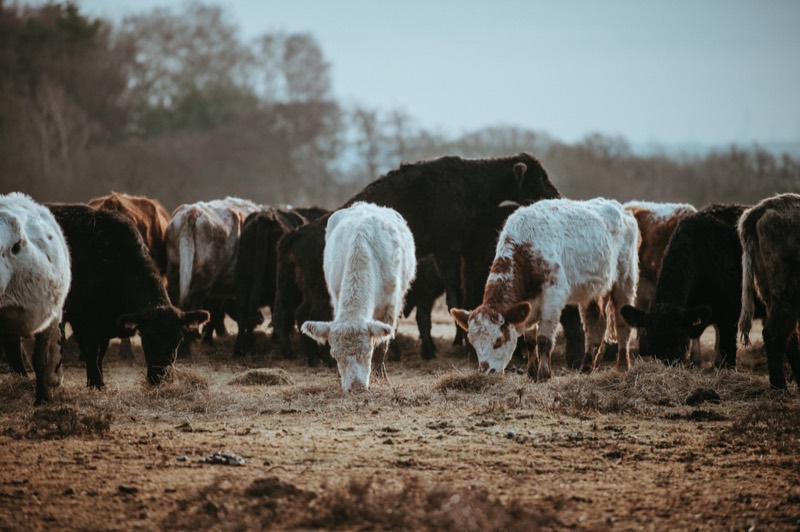
Livestock producers face numerous challenges in managing their operations, from maintaining herd health to navigating complex market dynamics. One key aspect of market dynamics that can have a significant impact on a producer's bottom line is basis risk. Basis risk refers to the difference between the local cash price of a commodity and the corresponding futures price. In the context of livestock markets, basis risk can be particularly pronounced, and understanding how to manage it is crucial for making informed marketing decisions. In this article, we will delve into the concept of basis risk, its causes, and most importantly, provide practical advice on how to manage it.
What is Basis Risk?
Basis risk is essentially the risk that the price of a commodity in the local market (the cash price) will differ from the price of the same commodity in the futures market. This difference can be due to various factors, including transportation costs, storage costs, and local supply and demand imbalances. For livestock producers, basis risk can manifest in several ways, such as the difference between the local price of cattle and the Chicago Mercantile Exchange (CME) feeder cattle futures price, or the difference between the local price of hogs and the CME lean hog futures price.
Causes of Basis Risk
Several factors contribute to basis risk in livestock markets. One of the primary causes is the cost of transporting livestock from the farm to the market or processing facility. These transportation costs can vary significantly depending on the location of the farm relative to the market or processing facility. Additionally, storage costs for feed and other inputs can also impact the basis. Local supply and demand conditions are another significant factor; for example, a surplus of cattle in a particular region can depress local prices, widening the basis relative to the futures price.
Seasonality also plays a role in basis risk. Certain times of the year may see higher demand for specific types of livestock, which can affect local prices and thus the basis. For instance, the demand for beef tends to increase around holidays like Memorial Day and the Fourth of July, potentially narrowing the basis during these periods. Weather conditions, disease outbreaks, and government policies can further influence local market conditions, contributing to basis risk.
Managing Basis Risk
Managing basis risk is critical for livestock producers to protect their profitability. One of the most effective strategies for managing basis risk is through the use of hedging instruments, such as futures contracts and options. By taking a position in the futures market that is opposite to the producer's cash market position, producers can lock in a price and reduce their exposure to price volatility. For example, if a cattle producer expects to sell a group of cattle in six months, they can sell feeder cattle futures contracts to hedge against potential price declines.
Another approach to managing basis risk is to use basis contracts. A basis contract is an agreement between a buyer and a seller that specifies the price difference (the basis) between the cash price and the futures price at the time of delivery. This can provide producers with more predictable pricing and reduce the uncertainty associated with basis risk. It's essential for producers to understand the local basis and how it behaves over time to effectively use basis contracts.
Practical Steps for Livestock Producers
To manage basis risk effectively, livestock producers should take several practical steps. First, it's crucial to monitor local market conditions closely, including prices, supply and demand trends, and any factors that could impact the basis, such as weather or disease outbreaks. Producers should also stay informed about national and global market trends, as these can influence futures prices and, by extension, the basis.
Second, producers should consider diversifying their marketing strategies to reduce dependence on any one market or buyer. This could include selling to different buyers, exploring alternative marketing channels, or producing different types of livestock. Diversification can help spread risk and make a producer's operation less vulnerable to basis risk.
Third, producers should educate themselves on the use of hedging instruments and basis contracts. This might involve consulting with a commodity broker, attending workshops or seminars on risk management, or participating in online forums and discussions with other producers. Understanding how to use these tools effectively can significantly enhance a producer's ability to manage basis risk.
Conclusion
Managing basis risk is a complex but critical aspect of successful livestock production. By understanding the causes of basis risk and implementing effective strategies to manage it, producers can better protect their operations against price volatility and improve their profitability. Whether through hedging, basis contracts, or diversification, there are practical steps that livestock producers can take to mitigate the impact of basis risk. For more information on managing basis risk and other aspects of livestock marketing, visit https://thefarmersherd.com to access a wealth of resources and expert advice tailored to the needs of American producers.
Comments
Sign in or create an account to join the conversation.