The cattle border is open again — and not every rancher wanted it
USDA reopened the Douglas, Arizona port to Mexican cattle in late August, the first step in a phased reopening. For feeders it means supply. For cow-calf operators enjoying record prices, it means competition.
Sep 10
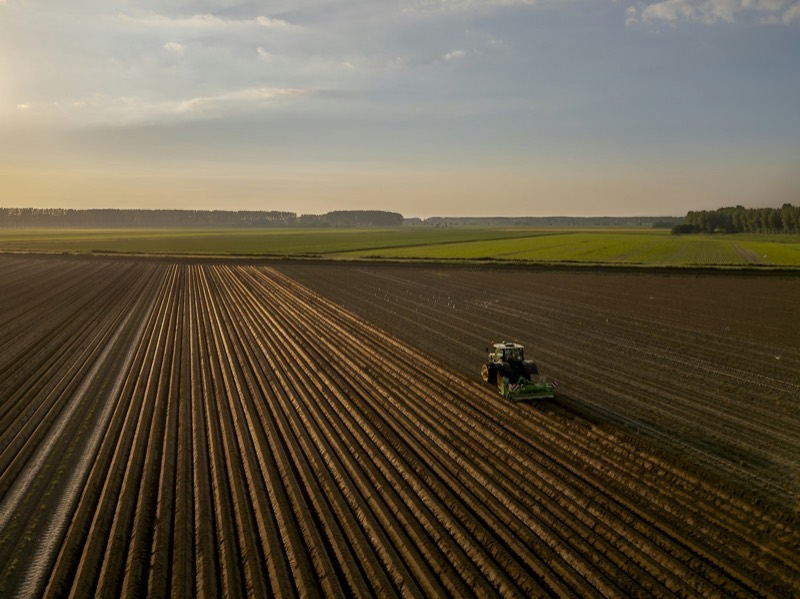
On August 24, USDA reopened the port at Douglas, Arizona to cattle coming north out of Mexico. The next morning roughly 700 head moved through the gate under a new inspection protocol worked out jointly by the United States and Mexico.
It is the first opening since the Southwest border was shut in July 2025 over New World screwworm, and the trade has been stop-and-start since November 2024.
What actually changed
This is a phased reopening, not a return to normal. Douglas went first. APHIS has said it will evaluate how that goes — and reassess the risk picture — before deciding on Santa Teresa and Columbus, New Mexico for live cattle, bison, and horses. Each step is tied to progress on the agreed action plan rather than a calendar.
The protocol itself is the substance of the deal: overlapping inspection on both sides, with animals treated and examined before they are allowed to move.
Why the screwworm scare was real
The first domestic New World screwworm case was confirmed on June 3, 2026, and several more have been confirmed since. That is what makes this different from a trade dispute. Screwworm larvae feed on living tissue, and an untreated case kills. The eradication effort that pushed it out of the United States decades ago was one of the genuine triumphs of American animal health work, and nobody in the business wants to relearn why it mattered.
Who wins and who doesn't
Feedlots and packers have spent more than a year short of cattle. Mexican feeders are a meaningful share of supply — a gap of roughly 1.2 to 1.5 million head a year while the border was closed — and that shortage has been one of several props under record prices.
Cow-calf producers see the other side of the same ledger. If you have been selling calves into the best market of your working life, more supply coming north is not obviously good news.
Both things can be true. The border closing was never a price-support program; it was a disease measure that had a price effect. Reopening it removes that effect gradually, on a schedule set by how well the inspection protocol holds up.
What to watch
Whether Santa Teresa and Columbus follow, how quickly volumes build at Douglas, and — the thing that would change everything — whether more domestic screwworm cases turn up north of the border.
Reporting from KJZZ Fronteras Desk.
Comments
Sign in or create an account to join the conversation.