Anhydrous is up 27 percent from last fall. Should you still apply now?
With nitrogen forecast to hold at $750 to $800 a ton through fall and corn back near $5, the fall-versus-spring decision is closer than it has been in years. The agronomy has not changed; the economics have.
Sep 6
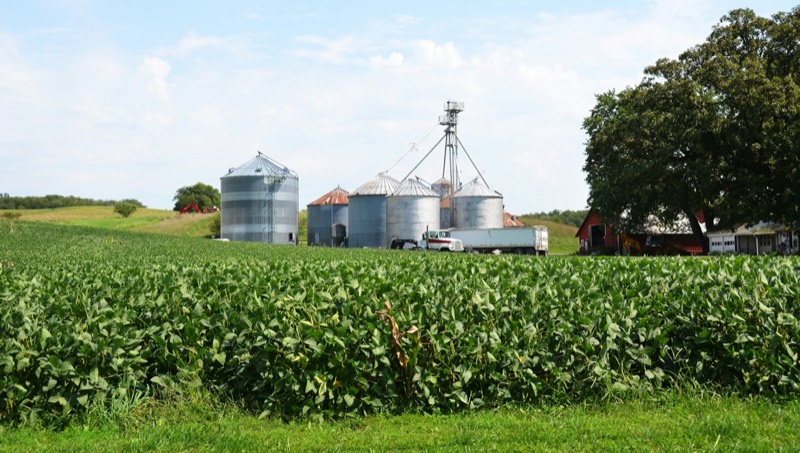
Seven of the eight major fertilizers are more expensive than a year ago, and anhydrous ammonia is up about 27 percent. The statistical forecasts that track natural gas and ammonia markets have anhydrous holding in the $750 to $800 per ton range through this fall. That is not the 2022 peak, but it is well above the two crop years in between.
At the same time, corn has rallied to nearly $5 on the crop-size scare. So the question a lot of people are asking is not "is nitrogen expensive" but "is it expensive relative to what corn is worth," and that is the right question.
The agronomy has not changed
Fall anhydrous works when soil temperature at four inches is below 50°F and falling, and it works better with a nitrification inhibitor. In a warm, wet fall, or on sandy or poorly drained ground, you lose a meaningful share of it before the crop can use it. University trials in Illinois and Iowa consistently show fall-applied N needing a higher rate than spring-applied to reach the same yield, with the gap widest in wet springs.
None of that is new. What is new is the price tag on the nitrogen you lose.
The economics
At $780 per ton, anhydrous is about 48 cents per pound of N. At that price:
- A 10 percent fall loss on a 180-pound rate costs about $8.60 an acre.
- A 20 percent loss, which is not unusual in a wet spring after a fall application, costs $17 an acre.
Set that against what you gain: you get the field work done when you have time, you avoid the spring rush when the co-op's applicators are booked and the ground is wet, and you lock a price. On the price side, the fall-to-spring anhydrous spread in most years is small, and the forecast is flat. You are not clearly winning on price by buying now.
With corn near $5, the value of a bushel lost to nitrogen shortage is higher too, which argues for the spring application that reaches the crop more reliably.
A reasonable approach
- Split it. Fall-apply the portion of your ground that is well-drained, with an inhibitor, and hold the rest for spring pre-plant or sidedress.
- Do not fall-apply on ground that ponds. The nitrogen you put there is a donation to the creek.
- Wait for soil temperature. A fall application at 55°F soil is a spring application with extra steps.
- Soil test this fall. Phosphorus and potash are also elevated; a test that shows you can skip a year of P or K is worth more than any anhydrous timing decision.
- Price corn against it. If you are going to spend $140 an acre on nitrogen, sell the corn that pays for it while the market is handing you $5.
The Purdue and farmdoc daily fertilizer decision tools update monthly and are worth running with your own numbers. The default answer in most Corn Belt situations this year is: apply less in the fall than you usually would, and more in the spring than you usually would.
Reporting from DTN.



Comments
Sign in or create an account to join the conversation.