Sixty percent of the cowherd is in drought, and hay demand is "good to very good" everywhere it is dry
South Dakota pasture values rose nearly 16 percent even as the drought footprint doubled. Nebraska alfalfa is up $10 to $20, Wyoming baled hay up to $30. A state-by-state look at what feed is costing going into fall.
Sep 10
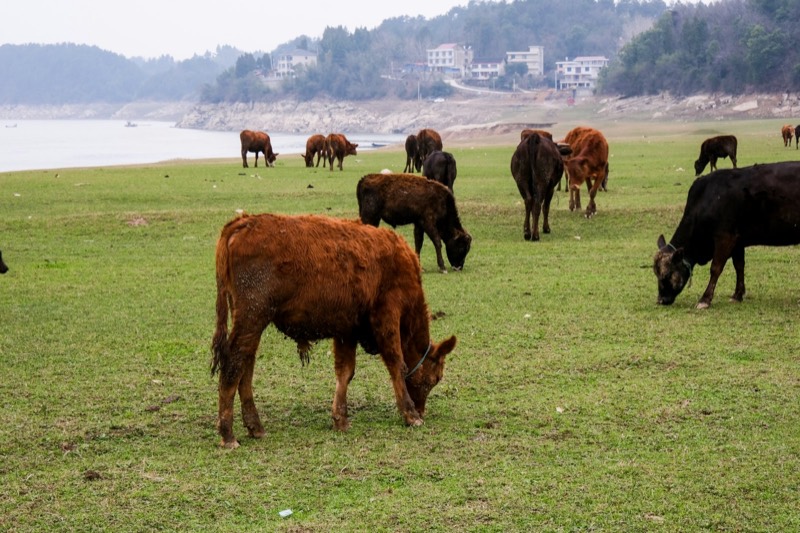
The numbers from USDA's drought monitor this month are the worst for early September in a decade: about 60 percent of the nation's cattle inventory is in drought, 56 percent of hay acreage is affected, and only 29 percent of pasture was rated good to excellent.
The pressure is concentrated on the western Plains. In South Dakota, an estimated 660,000 people are living in drought conditions, mostly in the southern counties, and the share of the state in dry conditions nearly doubled over the summer. Ranchers there have leaned on warm-season grasses after cool-season growth stalled in the spring.
Pasture prices went up anyway
The counterintuitive number this week comes from the SDSU Extension Farm Real Estate Survey: South Dakota pastureland values climbed 15.9 percent from 2025 to 2026. Record cattle prices and a thin supply of grass for sale outweighed the drought. If you have wondered why nobody is selling pasture, that is why.
Hay, state by state
From USDA AMS market reports compiled by High Plains Journal, late August through September 4:
- Nebraska: eastern alfalfa $10 to $20 higher, alfalfa pellets $20 higher. Demand good to very good.
- Wyoming: baled hay steady to $30 per ton higher. Demand very good.
- Montana: generally steady; hay brought in from outside the state is landing at $180 to $230 per ton depending on freight. Demand very good.
- South Dakota: demand good to very good, with the strongest pull from the western part of the state where the drought has been most severe and little hay was made.
- Colorado: premium small squares of mixed grass 50 cents a bale higher, premium 3x3 mixed grass horse hay $10 a bale higher. Demand good to very good.
- Oklahoma: demand still high; cattle producers are calling every hay producer they can find.
- Texas: prices and demand steady, but supplies are tightening as the drought drags on.
- New Mexico: steady to firm.
- Missouri: the exception. Supply moderate to heavy, prices steady, demand light. If you are within trucking distance of Missouri, that is where the hay is.
The decision in front of you
Feeder prices near $400 make it tempting to sell calves and buy hay with the proceeds, and for many that is the right call. The harder question is cow numbers. With pasture in short supply and hay $20 to $30 higher than last year, every cow kept through winter is a bet that grass comes back in April. NDSU Extension's July guidance on supplemental forage options is a good place to start on the pencil math, and we have our own guide on stretching hay through a dry winter.
Reporting from High Plains Journal.
Comments
Sign in or create an account to join the conversation.