Prices are still climbing. The herd still isn't growing.
The national cattle herd sits at a multi-decade low and demand is the strongest in forty years. What's missing is heifer retention — which is why analysts keep pushing real expansion out another year.
Sep 10
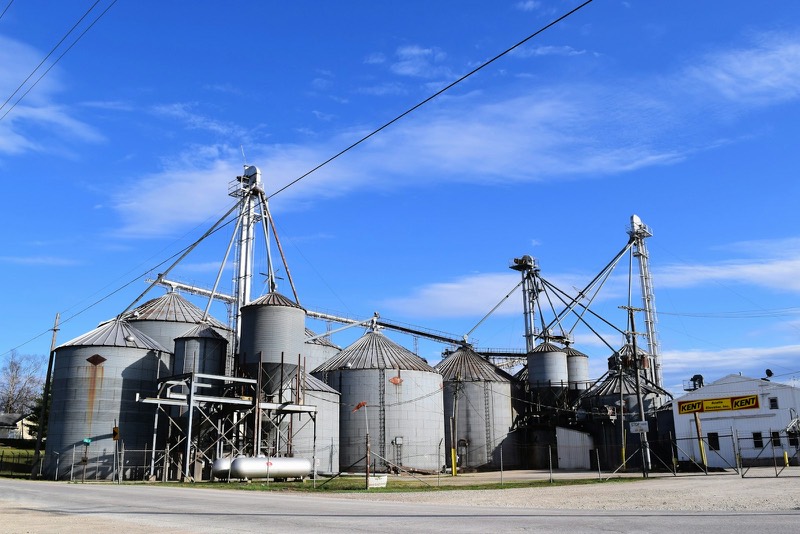
The cattle market keeps handing producers numbers they have not seen before, and the herd behind it keeps not growing. Both facts have the same cause.
Where the numbers sit
The U.S. cattle herd came into January 2026 at about 86.2 million head — a multi-decade low. The beef cow herd started the year near 28 million, roughly 150,000 head larger than the year before, after six straight years of contraction.
Feeder cattle have been strong all year. The September CME feeder contract has traded near $355/cwt, and analysts have been penciling in a Q3 average in the $385 to $390 range, with forecasts running higher into late September. Take any single forecast with the salt it deserves; the direction has been consistent, the precision has not.
Demand is the other half. Domestic beef demand has been described as the strongest since 1983. That is not a typo, and it is doing a lot of work in these prices.
Why a bigger cow herd isn't a rebuild
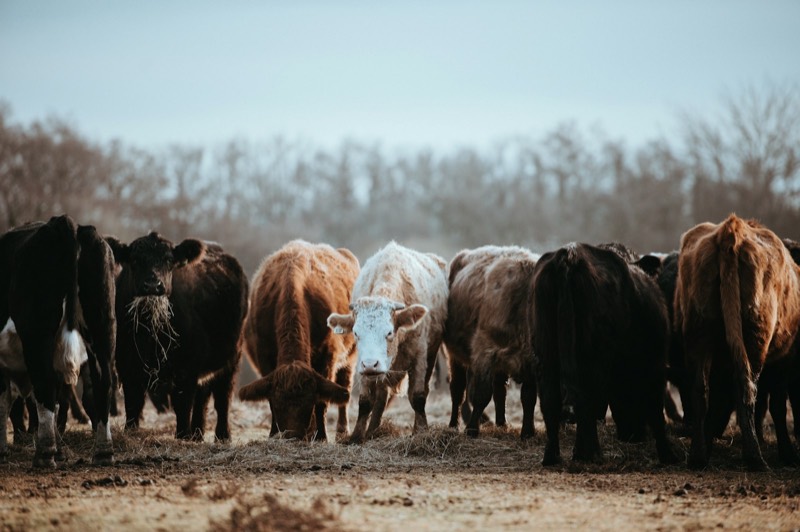
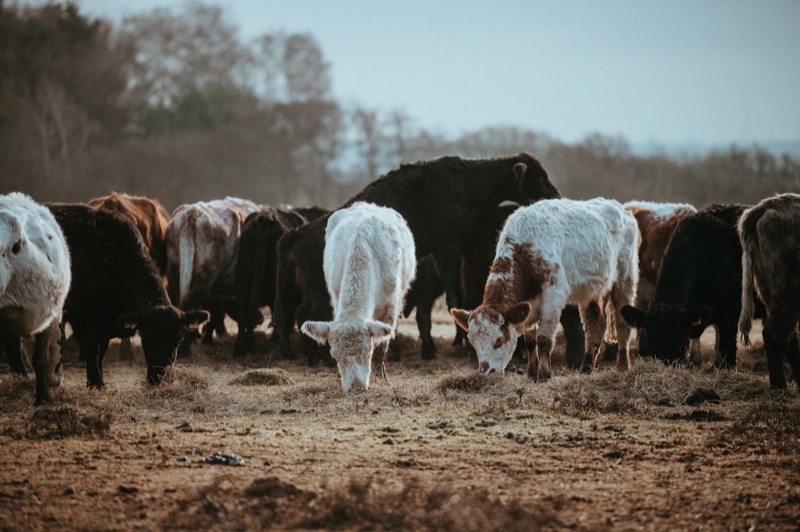
A herd that is 150,000 head larger sounds like expansion. It mostly isn't. Expansion requires heifers held back rather than sold, and heifer retention has stayed thin. Every heifer kept is a calf check you do not cash this year, which is a hard trade to make when calves are worth what they are worth right now.
That is the trap: the price signal that should trigger expansion is the same price signal that makes retaining heifers expensive. Most analysts do not expect meaningful national expansion before 2028, and drought across much of the Plains has pushed the arithmetic further in the wrong direction.
What it means on your place
If you are selling calves, this is the market to sell into, and it may stay that way for a while — supply cannot respond quickly even if everyone decided to expand tomorrow. Biology sets the timetable.
If you are thinking about retaining, run the numbers rather than the mood. The question is not whether prices are good; it is whether you have the grass, the water, and the working capital to carry a heifer to a paying cow through a drought year.
If you are buying replacements, you are competing with everyone else who reached the same conclusion at the same time.
Reporting from American Farm Bureau Federation Market Intel.
Comments
Sign in or create an account to join the conversation.