July feedlot placements were the lowest for the month since USDA started counting
Placements down 11 percent, marketings down 7 percent, both record lows for July. On-feed inventory is still 2 percent above last year because cattle are staying on feed longer. What the numbers say about the next six months.
Sep 2
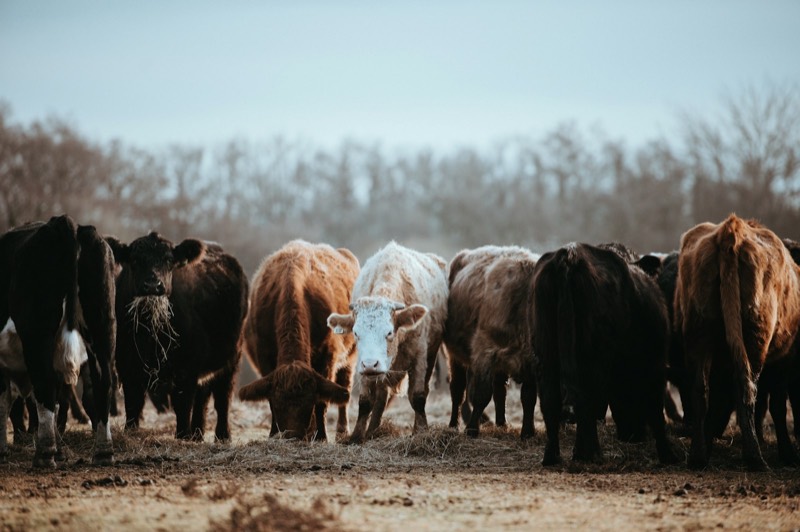
USDA's August Cattle on Feed report, covering July activity, put numbers on what every sale barn already knew: there are not many cattle to place.
The headline figures (feedlots with 1,000-plus head capacity):
| July 2026 | vs. July 2025 | |
|---|---|---|
| Placements | 1.42 million head | down 11% |
| Marketings | 1.62 million head | down 7% |
| On feed, August 1 | 11.1 million head | up 2% |
Both placements and marketings are the lowest July figures since the series began in 1996.
How on-feed can be up when placements are down
Cattle are sitting in the yard longer. With fed cattle prices where they are and packers running reduced shifts, feeders have had every reason to add days and pounds rather than push cattle out. Carcass weights have been running well above a year ago all summer, so the beef supply has held up better than head counts suggest. That is also why the on-feed number keeps printing above last year even as the pipeline behind it thins.
The packer side
The other half of this story is capacity. Tyson closed its Lexington, Nebraska, plant in January, which could kill close to 5,000 head a day, and cut Amarillo to one shift. It has since closed the Joslin, Illinois, and Eagle Mountain, Utah, beef plants. Fewer shackles means packers are not bidding aggressively for cattle even when supplies are tight, which is the tension the Drovers headline called "bullish report clashes with plant closures."
Weekly federally inspected cattle slaughter through the first week of September is running about 7.5 percent below last year, per USDA's daily slaughter report.
What it means for cow-calf
Feeder prices have held near record levels through the summer. Farm Credit Services of America's third-quarter outlook had 750-800 pound steers averaging $385 to $390 per cwt for the quarter, with the seasonal rally taking them toward $410 by late September. That forecast was written before the import tariff news broke in late August, and the market gave some back on that headline.
The placement number is the piece to watch. As long as placements keep printing double-digit declines, the fed cattle supply in the first half of 2027 gets tighter, not looser, no matter what happens on the import side.
The next Cattle on Feed report is scheduled for September 18.
Reporting from USDA NASS Cattle on Feed.
Comments
Sign in or create an account to join the conversation.